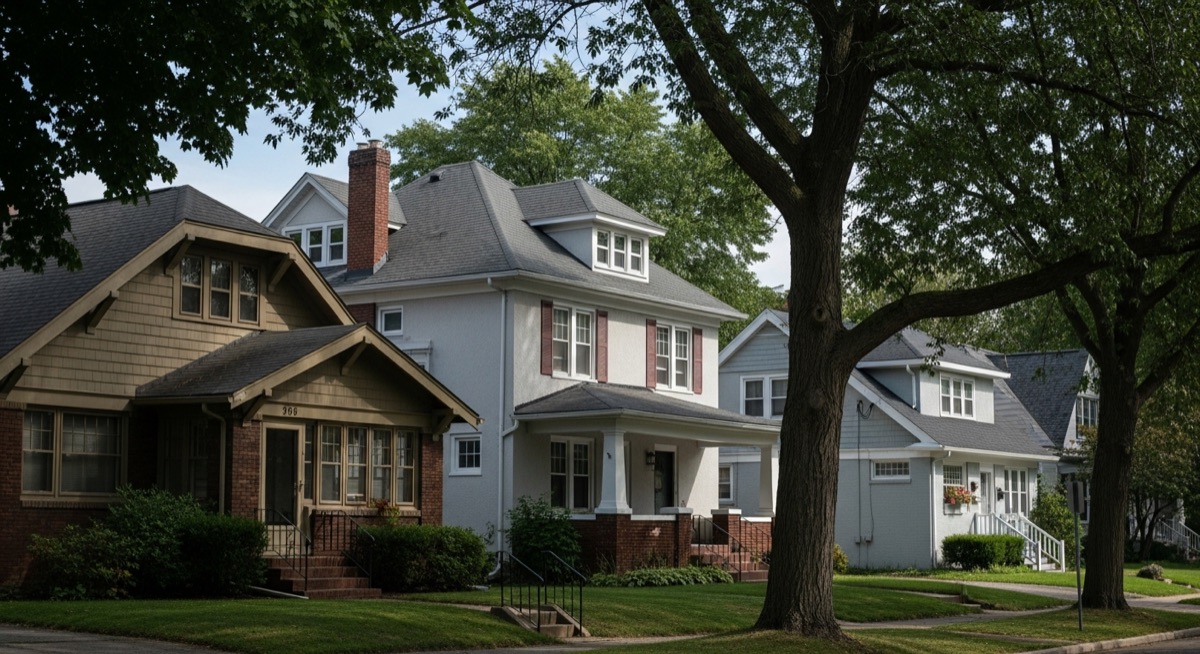
The Costs That Don't Show Up in the Calculator
National rent-vs-buy calculators—Zillow's, the New York Times's, NerdWallet's—are built on national averages. Several Orlando-specific line items will change your math significantly and don't appea…


The Costs That Don’t Show Up in the Calculator
National rent-vs-buy calculators—Zillow’s, the New York Times’s, NerdWallet’s—are built on national averages. Several Orlando-specific line items will change your math significantly and don’t appear by default. I’ve watched people run these numbers online, feel confident, and then get blindsided at closing. Here’s what the calculators won’t tell you.
Florida property insurance
This is where Orlando math diverges most sharply from national models. Homeowner’s insurance on a $390,000 home in Orange County can run $3,000 to $6,000 annually in the current market. The national average is around $1,200. After Hurricane Ian, insurers tightened underwriting hard. State Farm stopped taking new Florida customers in 2022. Universal, Heritage, and other smaller carriers filled the gap at higher rates.
A quote for a modest Colonial in Winter Park came back at $5,400 last month. The same home in Denver would cost roughly $1,800. That’s not a rounding error — it’s a line item that can swing a 30-year purchase decision by hundreds of thousands of dollars, and The Hidden Cost That Changes Every Calculation: Insurance by Zip shows just how sharply those figures shift across Orlando’s zip codes. Most people don’t think to.
Flood insurance is separate
FEMA flood maps determine whether your lender requires it. Orlando’s elevation and relationship to the Shingle Creek watershed mean surprisingly few homes fall into mandatory flood zones — a useful quirk of local geography that doesn’t get nearly enough credit. Optional flood insurance runs $600 to $1,200 annually. Many financial advisors recommend it given the city’s sprawling retention-pond infrastructure and aging stormwater systems.
Orange County has been adding detention areas since the 1990s, yet heavy rain still backs up local roads. A July 2023 afternoon thunderstorm closed sections of I-4. You’ve probably sat in that traffic wondering what the retention ponds are actually doing. The calculators don’t mention this decision point.
HOA fees vary wildly by neighborhood
A townhome in downtown Orlando might carry a $250 monthly assessment. A gated community in Windermere or Doctor Phillips can push $400 to $600. National calculators include a placeholder for HOAs but don’t account for the fact that Orlando’s growth in master-planned communities means your real number is likely higher than anything you’d guess from national data.
The bigger surprise is special assessments. Pool renovations, roof repairs, landscaping overhauls — they’re not optional, and they’re not always telegraphed. The Ritz-Carlton Residences in downtown Orlando hit unit owners with a six-figure assessment in 2021 for structural repairs. That’s an extreme case, but the dynamic plays out at every price point.
Property taxes: the one item that actually favors buyers
Florida’s statewide rate is 0.83 percent, well below the national median of 1.1 percent. Orange County runs around 0.85 percent, so on a $390,000 purchase you’d pay roughly $3,315 annually. Cheaper than Iowa, Ohio, or New York. National calculators generally capture this.
What they miss is the homestead exemption timing. Florida exempts $50,000 of assessed value from taxation, but you must file by March 1 of your occupancy year. People who close in November or December routinely miss the deadline and pay full tax for a year before they can claim it. It’s an easy oversight in the chaos of a move, and it costs real money.
Maintenance and utilities
Air conditioning runs year-round. There is no turning off the AC for a few months the way people do in Chicago or Denver. Median utility bills for a three-bedroom home in Orlando run $180 to $220 monthly versus $130 to $150 in drier climates. Roofs wear faster, too. Asphalt shingles that last 20 to 25 years in colder states commonly degrade in 15 here, and a full replacement on a 2,000-square-foot home costs $12,000 to $16,000 locally — figures we break down further in our home & property coverage of roofing and upkeep costs across Central Florida.
Pest treatment isn’t occasional — it’s a recurring budget line. Annual contracts run $400 to $800. If you’ve owned a home in Florida before, none of this surprises you. If you’re arriving from out of state, it probably does.
Sinkholes
Central Florida’s limestone geology creates real subsidence risk. Catastrophic sinkholes are rare, but standard homeowner’s insurance almost never covers sinkhole damage. Separate coverage costs $200 to $400 annually. Some lenders require it; others leave it optional. A sinkhole claim in St. Petersburg in 2013 totaled $1.2 million. I’m not trying to scare anyone off buying — but this is the kind of coverage decision that belongs in your actual math, not as an afterthought.
Commute costs
A 2023 Inrix study ranked Orlando’s traffic as moderate for a metro area, but that word does a lot of work. The I-4 corridor between downtown and the airport, U.S. 192 through the tourist corridor, Pine Hills during peak hours — anyone who’s tried to get from Kissimmee to downtown on a Monday morning knows what “moderate” actually feels like in practice.
Add 20 minutes each way to your commute, and the calculator doesn’t know. Your transportation costs could be $200 to $400 per month higher than whatever baseline the tool assumed. That belongs in the math.
Do the real math
The national calculators are transparent about their assumptions, which is more than most financial tools offer. But they’re optimized for a median American market, and Orlando isn’t that right now.
Before you decide whether buying at $400,000 beats renting for two more years, get actual insurance quotes — not ballpark figures — from at least three carriers. Pull your specific property tax rate and confirm whether you’ll make the March 1 homestead deadline. Get the real HOA number, including the special assessment history, from the community you’re actually considering. Make the flood and sinkhole insurance decisions consciously. Run your real commute numbers.
The result will look different from what the calculator hands you. That’s the point.