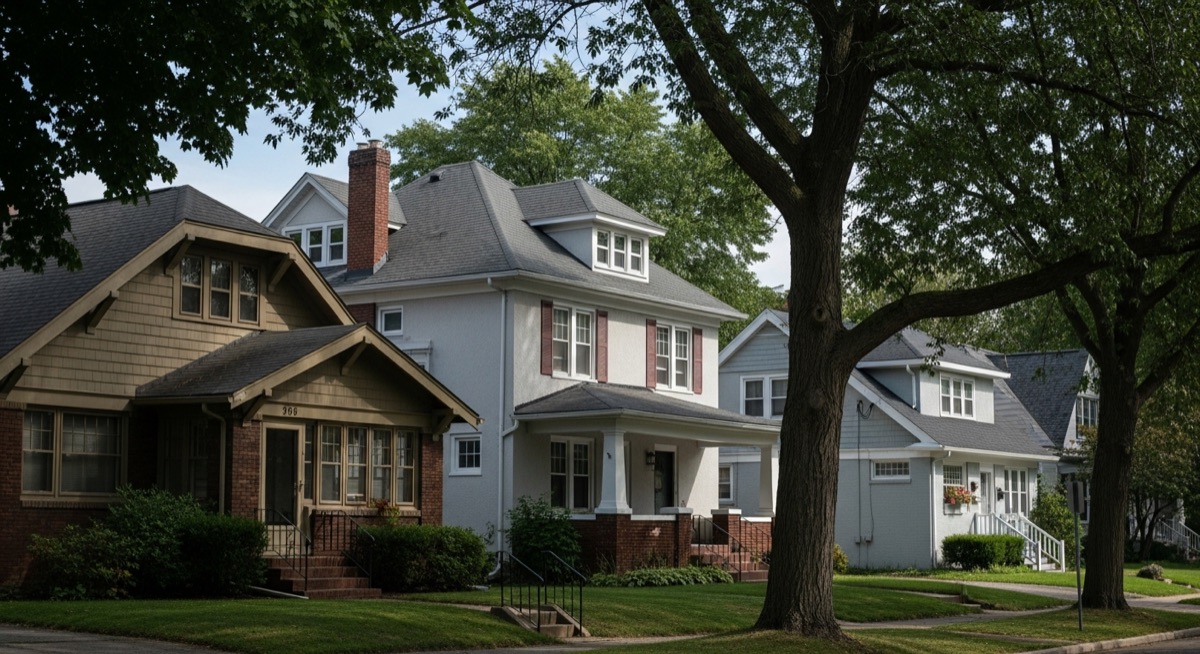
The Highest-Impact Moves, Ranked by Dollar Savings for Orlando Homes
If you want to cut your summer Duke Energy bill and you're working with limited time and money, here's where the real impact is. These numbers come from Orlando home profiles we've documented — not…

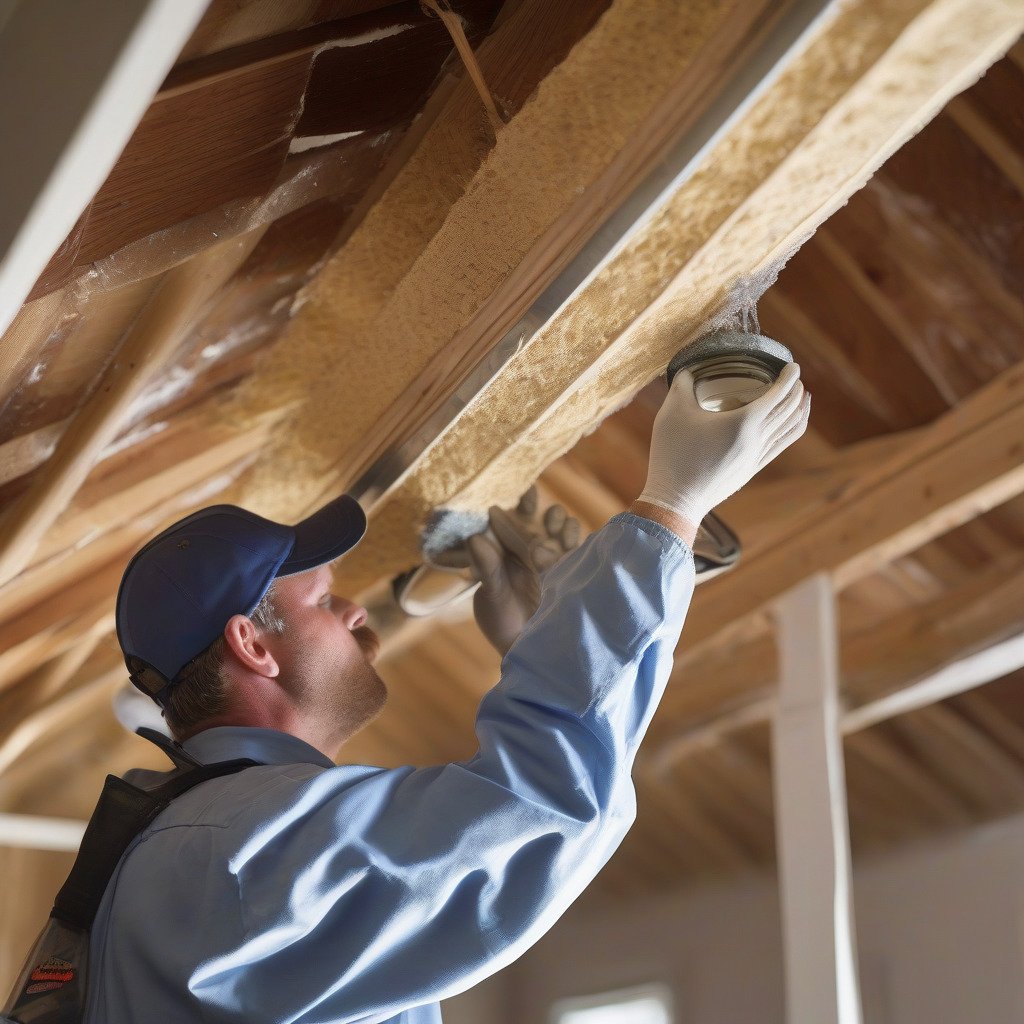
The Highest-Impact Moves, Ranked by Dollar Savings for Orlando Homes
If you want to cut your summer Duke Energy bill and you’re working with limited time and money, here’s where the real impact is. These numbers come from Orlando home profiles we’ve documented — not national averages, which are functionally useless in Central Florida’s climate.
1. Attic insulation upgrade (pre-1985 homes)
This is the biggest single win available to owners of older homes in Colonialtown, Conway, Pine Hills, Azalea Park, and College Park. Bringing attic insulation from R-14 to R-38 cuts summer cooling costs by 15 to 20 percent, according to the HVAC contractor we interviewed. That’s not a rounding error — it shows up on your bill the first month.
Duke Energy’s Home Energy Improvement program offers rebates for qualifying insulation work; check the rebate portal for current amounts, which shift periodically. The upgrade also trims heating costs in winter, though those are modest. (If you’re heating your Orlando home more than a few weeks a year, you have other problems worth addressing first.)
2. Duct sealing and testing
Leaky ducts in unconditioned attics bleed 20 to 30 percent of your conditioned air before it reaches a single room. Most pre-1995 Orlando homes have never had their ducts pressure-tested. A contractor runs a blower-door test to find the leaks, then seals them with mastic. Budget around $400 to $800. Duke Energy rebates cover part of this through approved contractors.
The payoff shows up on your next summer bill. It’s also the kind of problem most homeowners never address because you can’t see it — which is exactly why it’s worth prioritizing over more visible fixes.
3. Window film or exterior shading on west and southwest exposures
Stand near your west-side windows at 4 p.m. in July and you’ll understand immediately. That afternoon sun drives your AC harder than almost anything else in the house.
Reflective film on west-facing glass, or exterior shade screens installed on the outside — installers say the inside/outside distinction gets confused constantly, and it matters — can cut solar heat load by 40 to 50 percent. Shade screens run $300 to $600 installed. Window film is roughly $200 to $400 per window. Before you budget for either, check your home’s orientation. A house that doesn’t face west-southwest in the afternoon gets much less benefit from this.
4. Thermostat scheduling and setpoint discipline
A programmable or smart thermostat installed runs $150 to $300. Set it to 78 when you’re home, 82 when you’re away or sleeping. That alone cuts cooling costs 5 to 8 percent with no contractor, no permits, no construction.
Fastest payback on this list — under two years. And it’s the only item here you can handle yourself in an afternoon.
5. AC compressor maintenance and refrigerant charge verification
An undercharged system works harder than it needs to and costs you money every month. A technician can check and top off refrigerant for $150 to $250. If your unit is more than 15 years old and hasn’t had a charge check in five years, this is cheap insurance.
It won’t dramatically move your bill on its own. What it prevents is a deteriorating system getting worse through August — and an AC failure in Orlando in summer is an emergency with real costs attached, not just a discomfort. For vetted local options, our home & property coverage tracks service providers and costs across these categories.
6. Sealing air leaks around doors, windows, and penetrations
Weatherstripping, caulk, and foam sealant will run you $100 to $300 total. In older homes where gaps have opened around trim and sills over decades, this is genuinely effective. It’s also the only item on this list that’s a realistic DIY afternoon project if you’re reasonably handy.
What this ranking actually means
The dollar impact falls off sharply after insulation and duct work. Everything below those two offers real savings, but you’re talking 3 to 5 percent — not 15. Worth doing, but be honest with yourself about the scale.
The short version: if your home was built before 1985 and you’ve never touched the attic, start there. If it’s newer but duct work was never tested, that’s your move. If both are solid, shading and thermostat discipline are your best remaining options. There’s no universal right answer, which is why the “just do X” advice you find on energy efficiency sites is usually wrong for your specific house. If you’re also evaluating what Orlando neighborhoods cost to own in, factoring in utility expenses by zip code changes the math on every neighborhood comparison.