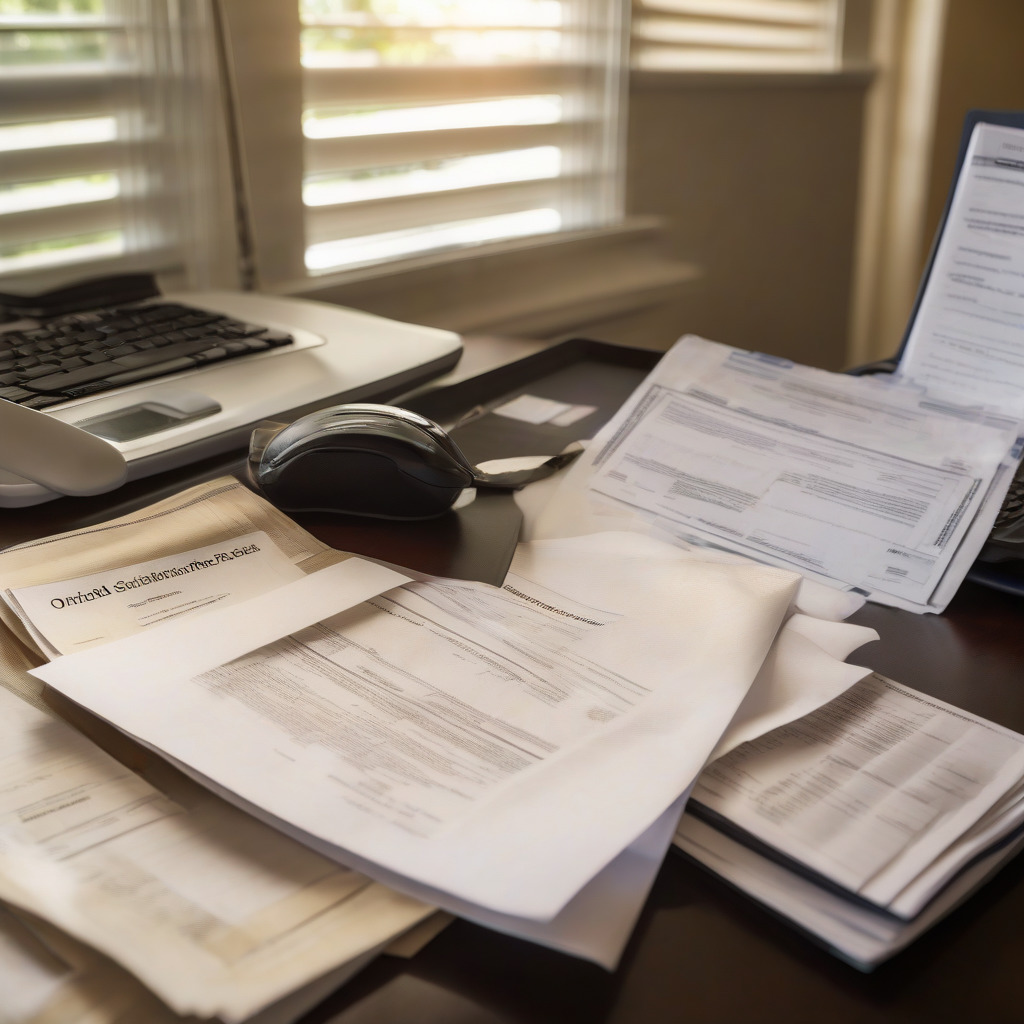
What Orlando Renters Can Actually Do When a Landlord Won't Fix the AC
It's the second week of July. The heat index at Orlando Executive Airport hit 107°F yesterday. Your central air conditioning has been dead for ten days. You've called, texted, left three voicemails…

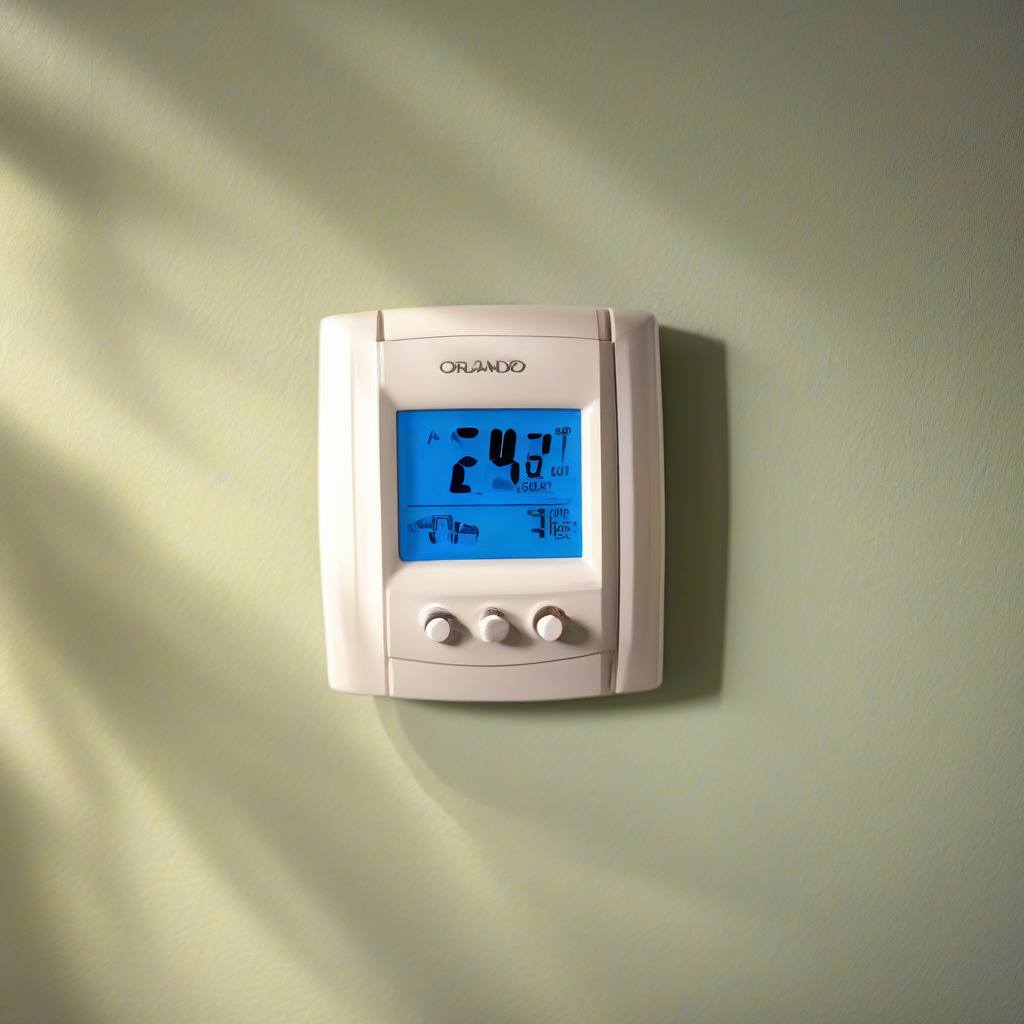
It’s the second week of July. The heat index at Orlando Executive Airport hit 107°F yesterday. Your central air conditioning has been dead for ten days. You’ve called, texted, left three voicemails. The last one bounced because your property manager’s mailbox is full. Inside your concrete block apartment off South OBT, it’s 94 degrees at 9 p.m.
This is not a comfort complaint. It is a medical and legal emergency, and Florida law is on your side in ways most renters never think to use.
Orlando averages a high of 92°F in July. The National Weather Service issues heat advisories for Orange County when the heat index hits 108°F or above — that happens multiple times every summer. In the older concrete block apartment stock common across Pine Hills, Azalea Park, Oak Ridge, and the South OBT corridor, interior temperatures during an HVAC failure don’t just track the outside air. They exceed it. Concrete retains heat overnight. Upper-floor units in two-story complexes without cross-ventilation can hit 95–100°F within hours of an AC failure on a July afternoon. That’s the kind of heat that hospitalizes elderly residents and children. I want to be clear about that, because “uninhabitable” sounds like a legal abstraction until you’ve actually sat in one of those units at midnight.
What follows is a sequential action guide. Every step builds on the one before it. If you’re reading this mid-crisis, go to Section 3 first, then come back.
What Florida Law Actually Requires Your Landlord to Do
The controlling law is Florida Statutes Chapter 83, Part II — the Florida Residential Landlord and Tenant Act. There’s no ambiguity about where air conditioning fits.
Under §83.51(2)(a), landlords must make reasonable provisions for functioning cooling systems. That’s a statutory mandate, not a lease perk or a management company policy, and a landlord cannot disclaim it in fine print. The Florida Legislature recognized decades ago that climate control in this state is not comparable to, say, a dishwasher. In Central Florida’s summer, a non-functional AC system crosses the uninhabitable threshold faster and more clearly than almost any other residential failure. (The northern equivalent is a broken furnace in January — and nobody seriously argues that’s optional.)
Section 83.51(1) separately requires landlords to comply with applicable building, housing, and health codes. That matters because it gives city and county code enforcement an independent basis to cite a landlord for a habitability violation — a pressure track separate from anything you pursue directly.
Some landlords will claim your lease puts repair responsibility on the tenant, or that AC isn’t explicitly listed as a required amenity. It doesn’t matter. The statutory duty under §83.51(2)(a) is clear, and lease language that contradicts it doesn’t override the statute. If a landlord told you in writing or verbally that AC repair is your problem, that statement may itself become relevant in any legal proceeding.
Step One: Send Written Notice That Actually Starts the Legal Clock
This is the single most important action you can take. It’s also where most renters make the mistake that eliminates every legal option they have.
Verbal complaints don’t count. Phone calls don’t count. Text messages sent through an app portal may not count, depending on what your lease says about notice. Under §83.56(1), only proper written notice triggers the statutory repair deadline. Without it, you have no legal basis to withhold rent, no basis to repair and deduct, and a much weaker position in any eviction or small claims proceeding. I know that feels bureaucratic when you’re on your third consecutive 95-degree night — but this step is everything.
Proper written notice identifies the property address, your unit number, and the specific failure. It should say something like: “The central air conditioning unit serving my unit has been non-functional since [exact date]. Interior temperatures have reached [temperature] degrees Fahrenheit as measured on [date and time]. This failure renders the premises uninhabitable under Florida Statute §83.51 during extreme heat conditions.” State plainly that you’re providing formal written notice and expect remediation within the statutory timeframe. Date it. Sign it. Keep a copy.
Delivery matters as much as content. Certified mail with return receipt requested is the safest method. The green card that comes back with the recipient’s signature is your proof of delivery and the date the legal clock started. If you hand-deliver, bring a witness and photograph the act of delivery. A process server costs a bit more but produces bulletproof documentation — overkill in most cases, but worth knowing is an option.
Email is worth understanding carefully. Under Florida law, email qualifies as written notice only if your lease explicitly designates email as an acceptable method. Read that section of your lease. If it says something like “notices may be provided via email to [address]” or “electronic communication is acceptable written notice,” then a dated email to that address likely qualifies. If your lease is silent on email, don’t rely on it alone. Send the certified letter and the email as backup.
Once properly delivered, the landlord’s statutory clock starts. The rent-withholding remedy under §83.56(1) gives the landlord 7 days to begin remediation. The repair-and-deduct remedy under §83.201 allows 20 days. Both run from the date of proper delivery — not from when you first called, not from when the unit broke. A tenant who skips written notice or delivers it informally has essentially no legal standing if the landlord files an eviction. No exceptions.
Step Two: Know Your Three Options and What Each One Actually Costs You
After proper notice is delivered, you have three distinct legal remedies. They’re not mutually exclusive, but they carry different timelines, different procedural requirements, and very different consequences if you execute them wrong.
Withhold Rent (§83.60)
After the 7-day period expires without the landlord beginning remediation, Florida law allows you to withhold rent. This is the most powerful remedy available to a renter. It’s also the one most likely to blow up if you do it wrong.
The money you withhold cannot stay in your regular bank account or get spent on other expenses. It must go into a separate escrow account — dedicated, segregated, untouched. Some legal aid organizations and attorneys recommend sending your landlord a letter explaining that rent for the affected period is being held in escrow pending repair. Do that.
Failing to escrow correctly is the most common procedural error in Florida habitability cases, and it converts a valid legal defense into a losing eviction. An Orange County judge will not be sympathetic to a tenant who withheld rent because the AC was broken and then used the money for groceries. The law is unambiguous on this. If a landlord files an eviction for non-payment after you’ve properly withheld and escrowed, you raise the habitability failure as a defense — but only if your paperwork and escrow are in order. This remedy is powerful. It requires discipline.
Repair and Deduct (§83.201)
If 20 days pass after proper written notice without repair, Florida law allows you to hire a licensed contractor, pay for the fix yourself, and deduct the cost from the next rent payment. The statutory cap is one month’s rent.
That cap shapes everything about when this remedy makes sense. A typical AC repair in Orlando — a failed capacitor, a refrigerant recharge, a blower motor — runs somewhere around $150 to $400 at current Central Florida contractor rates. That fits comfortably within the cap whether your rent is $1,200 or $1,800. A full system replacement is another matter entirely. A new compressor or full HVAC unit in a standard apartment configuration can run $5,000 or more. Repair-and-deduct won’t touch it. If your unit needs a major replacement, use the escrow remedy and run code enforcement pressure in parallel — that’s the right track for large repairs, not this one.
When you use repair-and-deduct, keep every receipt. Document the contractor’s name and license number. Put in writing to your landlord what you did and why before you apply the deduction.
Sue in Small Claims Court (Orange County Clerk of Courts)
The Orange County Clerk of Courts civil division is at 425 North Orange Avenue in downtown Orlando. Small claims jurisdiction in Florida tops out at $8,000. Filing fees vary by claim amount — confirm the current schedule at myorangeclerk.com before you go, because fee structures change and you don’t want a surprise at the window.
Small claims is appropriate when you have documented financial damages: hotel bills from nights you had to leave the unit, medical expenses from heat illness, food or medication lost due to the heat. Insulin and many other medications require refrigeration — if you lost a supply, document the replacement cost. It’s also the venue if you want to pursue your landlord for rent paid during the period the unit was uninhabitable.
Orange County doesn’t have a standalone housing court. Your case moves through the county civil division, which handles a wide range of disputes. The Orange County Law Library is in the same courthouse building and offers self-help filing assistance for tenants representing themselves. It’s genuinely useful and free to walk in. Go even if you think your case is simple.
How to Sequence These Options
In an active July emergency, the right move isn’t to pick one remedy — it’s to layer them. Send written notice and call code enforcement the same day. When the 7-day window closes without action, begin escrowing rent. If the repair falls within the one-month cap and a licensed contractor is available, repair-and-deduct is also on the table after 20 days. If you’ve already incurred documented costs, start organizing a small claims filing regardless of which other track you’re on.
Most landlords respond before it reaches the courthouse. Some don’t — and having layered these steps correctly means you’re protected at each one.
Step Three: File a Code Enforcement Complaint — and Know Which Number to Call
Here’s where nearly every generic online guide fails renters, because they describe Florida tenant rights without understanding how local enforcement actually works in the Orlando area.
Your code enforcement jurisdiction depends on whether your property is inside Orlando city limits or in unincorporated Orange County. These are different governments, different phone numbers, different inspectors, different processes. Filing with the wrong one wastes days you don’t have in July.
If your property is inside Orlando city limits — Parramore, the Milk District, College Park, Thornton Park, Colonialtown, most of the central core — file with the City of Orlando Code Enforcement Division at (407) 246-2686, or initiate a complaint at orlando.gov.
If your property is in unincorporated Orange County — Pine Hills, Azalea Park, Meadow Woods, most of the South OBT corridor outside city limits — file with Orange County Code Enforcement at (407) 836-3111.
If you live in Winter Park, Maitland, Kissimmee, or another municipality, you’re in neither jurisdiction. Contact your city’s code enforcement office directly.
When you call, use the words “habitability emergency” and ask explicitly for an expedited inspection. Explain that interior temperatures have reached a specific degree due to a non-functional air conditioning system during an active heat advisory. Code enforcement offices have capacity to prioritize life-safety inspections, and “habitability emergency” signals that this isn’t a noise complaint or a trash ordinance issue. The framing matters more than most people expect.
Be realistic about timelines. Standard scheduling for a code enforcement inspection typically runs one to three weeks. That won’t solve a July heat emergency on its own — and even after a violation is found and cited, the landlord often has weeks before fines begin accruing. The process isn’t designed for same-week resolution. That’s frustrating, and worth saying plainly.
What code enforcement does give you is an official record. A documented violation from a city or county inspector is powerful supporting evidence for an escrow defense, a small claims filing, or a retaliation complaint. It’s a pressure tool that works over weeks, not hours. Run it in parallel with every other step — don’t wait for it to produce results before you act on your other options. For a broader look at Orlando landlord-tenant rights — security deposits, lease termination, and other disputes — that guide covers the full framework.
Step Four: Document Everything, Starting Right Now
Every remedy described above depends on evidence. The evidence you gather in the first 48 hours is often the most important — it documents conditions before any repair attempt, before anyone can argue the problem wasn’t that serious.
Photograph and video the thermostat showing set temperature and actual temperature. Photograph the AC unit, the air handler, the breaker box if relevant. If there’s an error code on a digital thermostat, photograph it. Do this daily until the repair is made. Buy a digital indoor thermometer if you don’t have one — about $10 to $15 at any hardware store or Target. Take readings at multiple times of day, particularly in the afternoon when temps peak. Photograph each reading next to a phone or clock showing the time and date.
Screenshot every text message to your landlord or property manager, with timestamps visible. If you called and no one answered, note the time and date in a written log. Any response — “we’re working on it,” “the part is ordered,” “we’ll get there when we can” — screenshot it immediately. Keep the certified mail tracking number. Keep the return receipt when it arrives. Keep a copy of your notice letter.
If you stayed in a hotel even one night, keep the receipt. If you bought fans or a portable cooler, keep the receipt. If you sought medical care for heat-related symptoms, document it. If medications were compromised — insulin especially — document the loss and replacement cost. Start a dated journal, even a notes app entry each day, describing temperatures, communications, and how you and anyone in your household were affected.
Courts give significant weight to documents created when events happened, not assembled months later when memory is imperfect and opposing counsel is looking for inconsistencies. That contemporaneous record is your credibility.
Where to Get Free or Low-Cost Legal Help in Orange County
If you’re income-eligible, start with the Legal Aid Society of the Orange County Bar Association at 100 East Robinson Street in downtown Orlando. Main number: (407) 841-8310. Website: legalaidocba.org. They provide free legal assistance to qualifying low-income residents, including consultations with housing law specialists. Call before visiting to confirm current intake hours and availability in the housing unit — it shifts, and showing up to a closed intake window wastes a day you may not have.
If you don’t qualify for legal aid income thresholds or you want a private attorney, the Orange County Bar Association Lawyer Referral Service at (407) 422-4551 can connect you with a landlord-tenant attorney for a reduced-fee initial consultation. A single hour of legal advice before you send your notice letter costs far less than losing an eviction case over a procedural error. Worth doing the math on that. For context on what that kind of specialized local legal help actually looks like in practice, our legal & finance coverage addresses Orlando-specific considerations across housing, estate planning, and business law.
Call or text 211 from anywhere in Orange County to reach the community helpline. Most renters don’t know that 211 connects to housing crisis resources, legal referral programs, and emergency assistance in Orlando. It works. Intake staff can help identify which resource fits your situation fastest.
Editorial note: Bay Area Legal Services appears in many online lists of Florida tenant resources, but it’s primarily a Tampa Bay organization. Its service area for Orange County has not been confirmed for this publication, and we’ve excluded it here. Renters in Kissimmee and St. Cloud should contact Florida Rural Legal Services, which covers Osceola County and has real experience with habitability disputes in that area’s rental stock.
What Florida Law Says About Retaliation — and Why It Matters
Florida Statute §83.64 prohibits landlord retaliation against a tenant who exercises any legal right — complaining to a government agency, filing a code enforcement complaint, organizing with other tenants. The statute prohibits raising rent, reducing services, or attempting to evict a tenant in response to protected activity.
If a landlord takes an adverse action within 12 months of a tenant’s protected activity, the statute creates a legal presumption of retaliation. The burden shifts to the landlord to prove the action wasn’t retaliatory. In plain terms: if you file a code enforcement complaint on July 15 and receive a notice of non-renewal or a rent increase on August 3, that sequence is exactly what §83.64 was designed to address. You don’t have to accept it.
Many renters don’t act on broken AC or other habitability failures because they’re afraid of retaliation — a rent increase, a lease non-renewal, a pretextual eviction filing. That fear is understandable, and some landlords are counting on it. Florida law recognizes this dynamic and provides a statutory defense. It doesn’t make retaliation impossible, but it makes it legally expensive to attempt. Document the date of every complaint, every code enforcement filing, and every notice you receive from your landlord after taking action. That timeline is your evidence.
What “Reasonable Time” Actually Means in July
The phrase “reasonable time” appears in Florida landlord-tenant law several times, and courts interpret it based on context. A repair that might justify a three-week wait in October — when no one is in physical danger — does not constitute reasonable response time during a heat advisory when the heat index is above 105°F. Courts and code enforcement officers apply common sense: the urgency of the failure affects what “reasonable” means. A judge who lives in Orlando knows what July feels like.
The statutory deadlines — 7 days for rent withholding, 20 days for repair-and-deduct — are not definitions of “reasonable time.” They’re minimum thresholds that trigger tenant remedies. A landlord who takes 18 days to recharge a refrigerant line during a July heat emergency may technically stay within the 20-day window while still facing a habitability claim for conditions during that period. Your temperature readings, heat advisory records from the National Weather Service, and documented timeline tell that story.
Florida’s landlord-tenant law gives Orlando renters real, actionable options when an AC fails in summer. The renters who get their AC fixed and recover their costs are almost always the ones who did the procedural work correctly: written notice delivered by certified mail, rent escrowed properly, code enforcement engaged in parallel, evidence gathered from day one. None of it is complicated. None of it is optional if you want the law to work for you. Send the certified letter today. Call the right code enforcement number for your address. Buy the thermometer and take the readings. If the landlord still doesn’t move, you have options — and now you know exactly how to use them.
Editor’s verification checklist before publication: Confirm current small claims filing fee schedule at myorangeclerk.com. Confirm Legal Aid Society of the Orange County Bar Association intake hours and housing unit availability at (407) 841-8310. Confirm whether Orange County or City of Orlando code enforcement has a specific online portal for habitability complaints separate from general complaint intake. Bay Area Legal Services excluded pending service area verification — do not add without confirmation. Confirm that §83.201 repair-and-deduct cap is stated as one month’s rent in current statutory language.