That Urgent Care on SR-436 Might Be an Emergency Room and the Bill Could Hit $2,000
AdventHealth and HCA both operate freestanding ERs along Central Florida's busiest retail corridors. Here's how to tell the difference before you walk in, what facility-fee billing actually means, …

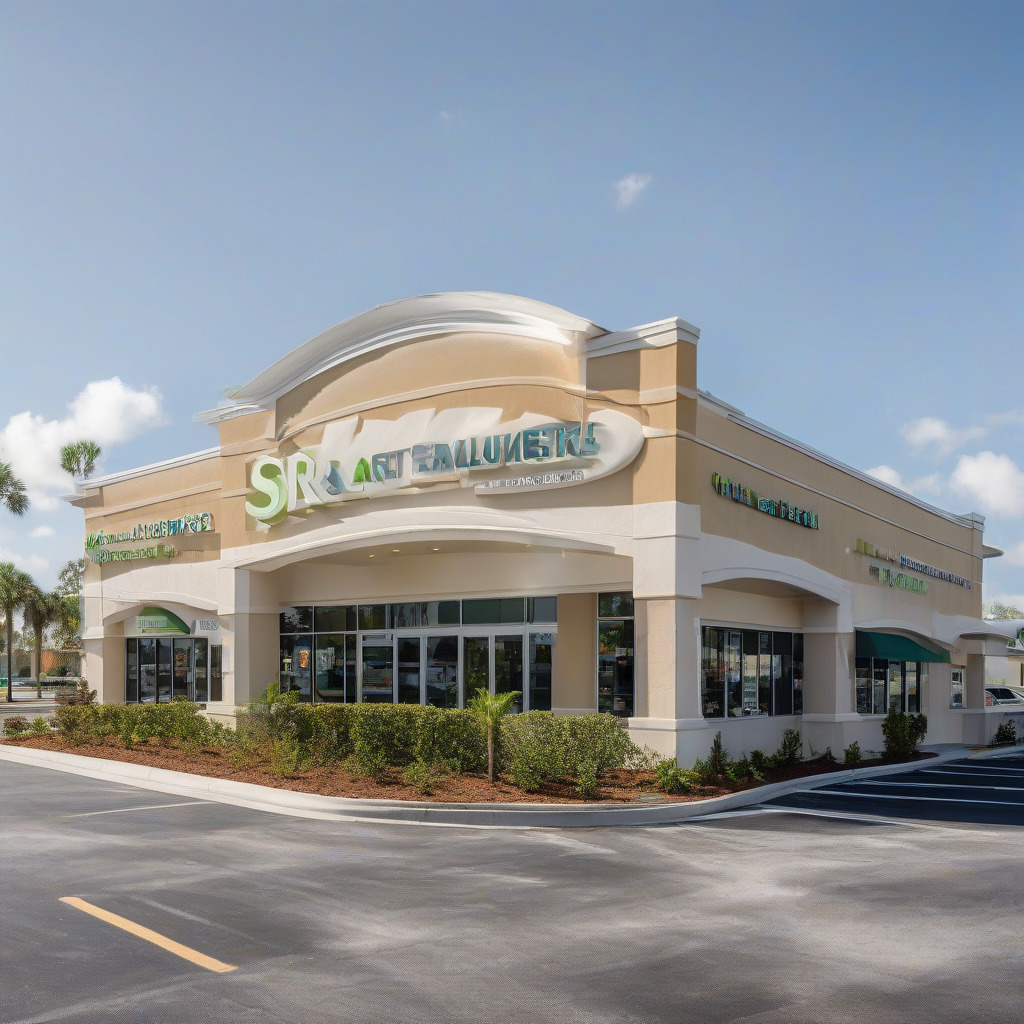
AdventHealth and HCA both operate freestanding ERs along Central Florida’s busiest retail corridors. Here’s how to tell the difference before you walk in, what facility-fee billing actually means, and why your insurance copay won’t cover what you think it will.
Consider a scenario that plays out regularly in Central Florida: a resident near the Semoran Boulevard corridor drives to what appears to be an urgent care. Clean, well-lit building in a strip center along SR-436. Walk-in medical branding. Convenient parking. She’s seen quickly. A physician examines her, orders imaging, sends her home with a prescription.
Three weeks later, two envelopes arrive. The first is a facility bill filed under a hospital tax ID. The second is from an emergency physician group she’s never heard of. The combined total runs well above $1,000. Her insurance covers a portion, but she still owes several hundred dollars for a sinus infection.
The facility was not an urgent care. It was a freestanding emergency room.
This billing pattern is common in Central Florida — and it’s almost entirely avoidable if you know what to look for.
What a Freestanding ER Actually Is
A freestanding emergency room is a licensed emergency department that operates independently of a main hospital campus. It must be staffed around the clock by an emergency physician, carry diagnostic imaging including CT capability, maintain resuscitation equipment, and bill at hospital outpatient rates. That last point is the one that matters.
Freestanding ERs are common here. AdventHealth and HCA Healthcare, the two dominant health systems in Orange and Seminole counties, have both expanded their satellite emergency locations in recent years — HCA’s footprint grew notably after 2020. Both systems placed these facilities in the same high-traffic retail corridors where residents have historically expected to find urgent care clinics: along SR-436, Winter Garden–Vineland Road, and similar routes anchored by Target, Publix, CVS. Patients in those areas make fast decisions. A building with medical branding and available parking in a strip center reads, to most drivers, as urgent care. That assumption costs money, and the location strategy isn’t accidental.
The AdventHealth system adds a specific wrinkle: the company operates two distinct types of walk-in facilities, sometimes on the same corridors. AdventHealth Centra Care locations are urgent cares. They bill as urgent care rather than hospital outpatient departments, carry no facility fee, and generally close by 8 p.m. AdventHealth freestanding ERs operate under the AdventHealth brand without the Centra Care designation, run 24 hours, and bill as hospital outpatient departments. The branding distinction is subtle enough that many patients miss it entirely — and frankly, it’s subtle enough that patients shouldn’t have to catch it at all. But here we are.
How to Tell From the Street Before You Walk In
Most coverage of this topic explains what freestanding ERs are without telling you how to identify one from a parking lot at 10 p.m. So here’s that.
Signage language is reliable. “Emergency Room,” “ER,” “Emergency Care,” “Emergency Center,” and “24-Hour Emergency” in a facility’s name or on its exterior all indicate an emergency department billing at hospital rates. Urgent care facilities use “Urgent Care,” “Walk-In Care,” “Immediate Care,” or a branded clinic name. In a strip center, that distinction is often the only visible marker. It holds.
Hours are the fastest tell. If a facility is open 24 hours, it’s not an urgent care. Legitimate urgent cares in the Orlando market typically close between 8 and 10 p.m. — the AdventHealth Centra Care on East Colonial Drive closes at 8. If you’re pulling into a lot at 11 p.m. and the lights are on, you’re at an emergency room. You don’t even have to get out of the car to confirm it.
Know the parent names in this market. “AdventHealth” alone, without “Centra Care” in the name, signals a freestanding ER or hospital campus. “AdventHealth Centra Care” is an urgent care. Any standalone HCA Florida building on a retail corridor — particularly in the Kissimmee, Sanford, or Lake Monroe areas — is operating as a freestanding ER. CareSpot, FastMed, UCF Health, and Concentra are urgent care operators.
The Google Maps problem is real and genuinely maddening. A search for “urgent care near me” in most Orlando ZIP codes returns freestanding ERs in the same list as genuine urgent cares, often without clear labeling. AdventHealth and HCA locations frequently appear under “urgent care” in map results even when licensed as emergency departments. Don’t trust the Google category. Check the facility’s own website, confirm the hours, and look for “emergency” in the facility name.
Before you walk in:
- Sign says ER, Emergency Room, Emergency Care, or 24-Hour Emergency? Freestanding ER.
- Open past 10 p.m.? Freestanding ER.
- Name says “AdventHealth” without “Centra Care”? Freestanding ER.
- Standalone HCA Florida building on a retail corridor? Freestanding ER.
- Sign says “Urgent Care” or “Walk-In Care” and it closes before 10 p.m.? Likely urgent care — confirm hours before entering.
The Two-Bill Problem
When you visit a freestanding ER, you don’t receive one bill. You receive two, and they arrive at different times from different companies.
The first comes from the facility itself, filed under the parent hospital’s tax ID at hospital outpatient rates. This is the facility fee. It’s charged regardless of what you came in for. The second comes from the emergency physician group that staffed the ER — frequently a contracted third party, not a direct employee of the health system, and sometimes operating under a different insurance network relationship than the facility. The physician bill can be out-of-network even when the facility is in-network with your insurer.
The cost difference compared to urgent care is substantial. For an uninsured patient, a minor complaint at a Central Florida freestanding ER will typically generate $1,500 to $3,500 in facility fees alone, plus $400 to $800 or more in physician fees depending on what’s ordered. The same visit at a CareSpot, Centra Care, or FastMed runs $150 to $250 without insurance — one bill, no facility fee.
For insured patients, the gap is less dramatic but still meaningful. The facility fee at an in-network freestanding ER is processed as a hospital outpatient charge, subject to your deductible before any cost-sharing kicks in. A patient who hasn’t met their deductible pays the full discounted facility rate until they do. On a standard commercial plan, out-of-pocket costs at an in-network freestanding ER can hit $800 to $2,000 for something that turns out to be a sprained ankle.
If You Have Insurance, Your ER Copay Is Not the Ceiling
The most widespread misunderstanding among insured patients: the ER copay is not the most you’ll owe. Most commercial plans in Florida list an ER copay of $250 to $500. Patients assume that’s the cap. It isn’t.
The ER copay applies after the deductible has been met. If you haven’t met your deductible, you pay the discounted facility rate until you do, and the copay may not apply at all. That’s the scenario in the opening of this piece — a sinus infection, a bill well above $1,000, and an insured patient who thought she was covered.
HMO plans, including many Florida Blue HMO products, often require that freestanding ER visits be deemed medically necessary emergencies for any coverage to apply. A non-emergency visit can be denied outright or processed at an out-of-network benefit level. A patient with an HMO who visits a freestanding ER for what turns out to be a minor illness can receive a denial letter weeks after the visit, with no warning at the point of care.
Medicaid managed care plans — Sunshine Health, Molina Healthcare, and Humana Medicaid serve large populations in Orange and Osceola counties — generally don’t cover freestanding ER visits for non-emergency complaints. A parent who ends up at an AdventHealth freestanding ER instead of an urgent care with a child’s fever can face a balance they can’t predict until the claim processes. That’s a genuinely awful position to be in, and it’s avoidable.
Medicare Advantage creates particular exposure for Seminole County’s substantial retiree population. Coverage for freestanding ERs under Medicare Advantage is plan-specific and often narrow. Some plans cover them the same as hospital ERs; others apply higher cost-sharing or require prior authorization for non-emergency visits. Seminole County retirees with Medicare Advantage should confirm their plan’s freestanding ER policy before any walk-in visit.
Compare all of this to urgent care. An in-network urgent care visit under virtually any commercial, HMO, Medicaid managed care, or Medicare Advantage plan in this market carries a copay of $30 to $75, applied at the point of service, no deductible exposure, one bill. That gap is the whole story.
Can a Freestanding ER Really Charge Hospital Rates for a Sprained Ankle?
Yes. This is the question patients most commonly search after they receive the bill.
A freestanding ER is licensed as an emergency department. Its rates are hospital outpatient rates, governed by that license — not by the severity of what you walked in with. The facility fee applies whether you came in with chest pain or a twisted ankle, because the facility is providing the service under its ER license. You can be furious about this. A lot of people are. But the license structure is what it is, and Florida’s regulatory framework hasn’t changed it.
The primary consumer protection here is Florida Statute §627.64194, which codifies the prudent layperson standard. If a reasonable person in your situation would have believed they needed emergency care — chest tightness, severe abdominal pain, high fever in a child — your insurer must cover the visit as an emergency regardless of the final diagnosis. The insurer can’t retroactively deny a claim because the diagnosis turned out to be minor.
The critical limitation: this statute governs disputes between insurers and providers over out-of-network billing. It doesn’t cap facility fees for in-network visits. Walk into an in-network AdventHealth freestanding ER with a sinus infection, and §627.64194 doesn’t reduce your bill. The facility is in-network; you simply owe your cost-sharing under your plan.
The federal No Surprises Act, effective January 2022, caps patient cost-sharing for out-of-network emergency physician fees at in-network levels and prohibits out-of-network providers from balance-billing emergency patients beyond that amount. That’s meaningful protection when the ER’s physician group is out-of-network — which happens more often than it should. What the No Surprises Act doesn’t do is limit in-network facility fees or reduce what you owe under your own deductible. The gap between what these laws protect against and what actually hits patients’ wallets is wide.
The Orlando Facilities — Which Is Which
Current as of July 2025. Verify facility type and insurance acceptance directly before any visit.
Confirmed freestanding ERs in Orange and Seminole counties:
AdventHealth ER at Waterford Lakes sits on the E. Colonial Drive/SR-408 corridor in east Orlando, near Waterford Lakes Town Center, billing under AdventHealth’s hospital tax ID. AdventHealth ER at Winter Garden is on the Winter Garden–Vineland Road corridor. AdventHealth ER at Apopka covers the northwest Orange area. AdventHealth ER at Oviedo serves the Oviedo on the Park development in Seminole County. AdventHealth ER at Lake Mary is on Lake Mary Boulevard, serving the I-4 corridor population. HCA operates freestanding ER-equivalent satellite facilities in the Kissimmee/Osceola corridor and near Sanford/Lake Monroe, billing under HCA Florida’s hospital tax IDs.
Urgent care operators in the market:
AdventHealth Centra Care has multiple locations — East Colonial Drive, Waterford Lakes, Lake Nona, Altamonte Springs, Winter Park, Kissimmee — distinct from AdventHealth freestanding ERs by name and billing, generally closing by 8 p.m., one bill, no facility fee. CareSpot Urgent Care operates on Sand Lake Road and East Colonial Drive. FastMed is on South Orange Avenue. UCF Health has clinics near the main campus on Research Parkway, though appointment availability varies. Concentra in Maitland and Sanford primarily handles occupational medicine; personal insurance acceptance varies by location and employer contract, so call ahead.
The SR-436 corridor between Casselberry and Apopka is the single most confusing stretch in this market. AdventHealth freestanding ER signage, AdventHealth Centra Care urgent care locations, and independent walk-in clinics sit within a few miles of each other, with signage that a hurried driver can easily conflate. If you live or work along that corridor, do this homework now, not at 9 p.m. when someone’s running a fever.
Special Exposure for Tourists and Snowbirds
Two populations face compounded risk here. Tourists on International Drive, Lake Buena Vista, and the Kissimmee resort corridor are navigating an unfamiliar city with out-of-state insurance that may have no network relationship with any Central Florida provider. A tourist walking into an HCA freestanding ER in Osceola County with an out-of-state Blue Cross HMO plan may face the full facility rate for minor complaints — $1,500 or more — because the facility has no contract with their home-state plan. The I-Drive corridor’s concentration of walk-in medical signage, some attached to freestanding ERs, is particularly difficult to parse for someone who arrived from Ohio on Thursday.
Visitors with a genuine emergency: call 911 or go to a full hospital campus. Visitors with minor complaints — the twisted ankle from a theme park, the sunburn that got out of hand — look specifically for “urgent care” on the sign and confirm the facility closes before midnight.
Snowbirds and seasonal residents in Seminole County, particularly around Lake Mary, Longwood, and Casselberry, frequently carry Medicare Advantage plans from their home states. Those plans’ relationships with AdventHealth and HCA freestanding ERs vary by plan and by year. A Wisconsin Medicare Advantage enrollee spending January through April in Lake Mary should call member services and ask specifically: “Does my plan cover AdventHealth freestanding ER visits in Florida, and at what cost-sharing level?” Some seasonal residents have discovered mid-visit that their home-state plan covers hospital campus ERs in Florida but not freestanding ones. That’s not a call you want to make from a waiting room.
What to Do If You’ve Already Received the Bill
If you’ve already left a freestanding ER and the bills are in hand, you have options. They require some effort, but they’re real.
Request an itemized bill immediately. Every charge must be disclosed. Hospital-affiliated freestanding ERs are required under CMS rules to post their chargemaster rates publicly. Ask the billing department for the chargemaster rate for each service code and compare it to what you were charged. Discrepancies are worth disputing — coding errors on ER bills are not rare.
Verify whether your treating physician was in-network. Call your insurer and ask whether the emergency physician group that billed you has a contract with your plan. If the physician was out-of-network, the No Surprises Act limits your cost-sharing to in-network levels and prohibits balance billing. File a complaint with your insurer and through the federal No Surprises Act dispute resolution process if the bill exceeds in-network cost-sharing.
Check the facility’s licensing status. The Florida AHCA maintains a searchable database of licensed healthcare facilities. If a facility billed as a hospital outpatient department while presenting itself visually as urgent care, you can file a complaint with AHCA. It won’t immediately reduce your bill, but it creates a record and may prompt a compliance review.
If your claim was denied and you presented with symptoms a reasonable person would consider emergent, cite the prudent layperson standard under Florida Statute §627.64194 in your formal appeal. Your insurer is required to cover the visit as an emergency regardless of the final diagnosis.
If you’re uninsured or underinsured, negotiate directly. Hospital-affiliated freestanding ERs have financial assistance programs — nonprofit systems like AdventHealth are required to offer them — and typically have authority to settle at significantly reduced amounts for self-pay patients. Ask for the financial counselor, not the billing department. Ask for a financial assistance application. Reductions of 50 to 70 percent are common for uninsured patients who ask. The specific phrase that moves things along: “financial assistance application.”
On bills above $1,000, a medical billing advocate is worth considering. The Central Florida market has independent advocates who review ER bills for coding errors, duplicate charges, and inflated line items. They charge a percentage of what they recover, so there’s no upfront cost.
The underlying problem is simple: facilities that look like urgent cares but bill like hospitals. It isn’t going away. AdventHealth and HCA have strong financial incentives to keep expanding freestanding ERs into high-traffic retail corridors, and Florida’s regulatory framework gives them room to do it. The only practical protection available to most Orlando residents right now is knowing what to look for before they open the door.
The sign will tell you. Read it before you walk in.
Facility information is current as of July 2025. CityDesk Orlando recommends verifying facility type and insurance acceptance directly before any visit. Florida AHCA’s licensed facility search is available through the AHCA website.
For more local coverage, explore our Health & Wellness section.