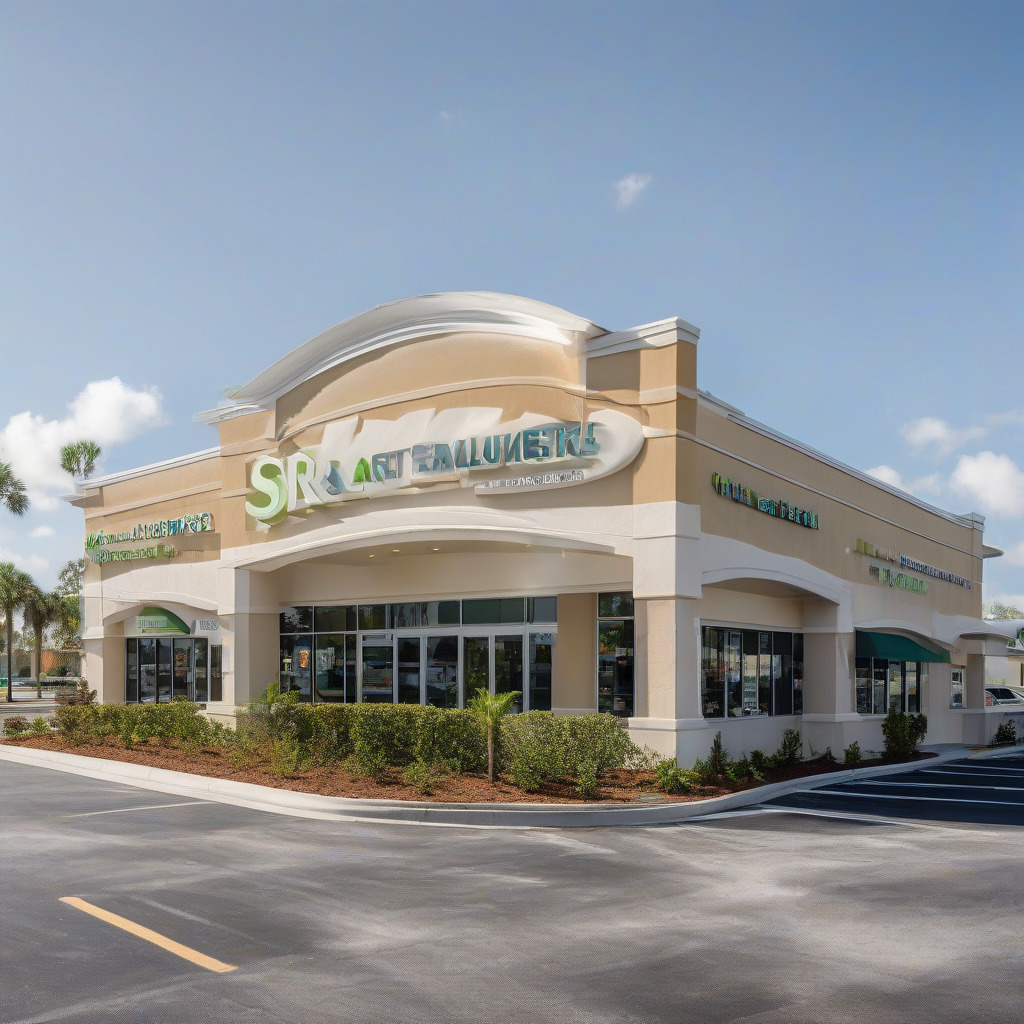
How to Tell If That Walk-In Clinic in Orlando Is Actually a Freestanding ER
What you don't know about the facility you're walking into could add thousands to your bill. During the summer tourist peak, that risk is concentrated here in ways most residents still don't fully …

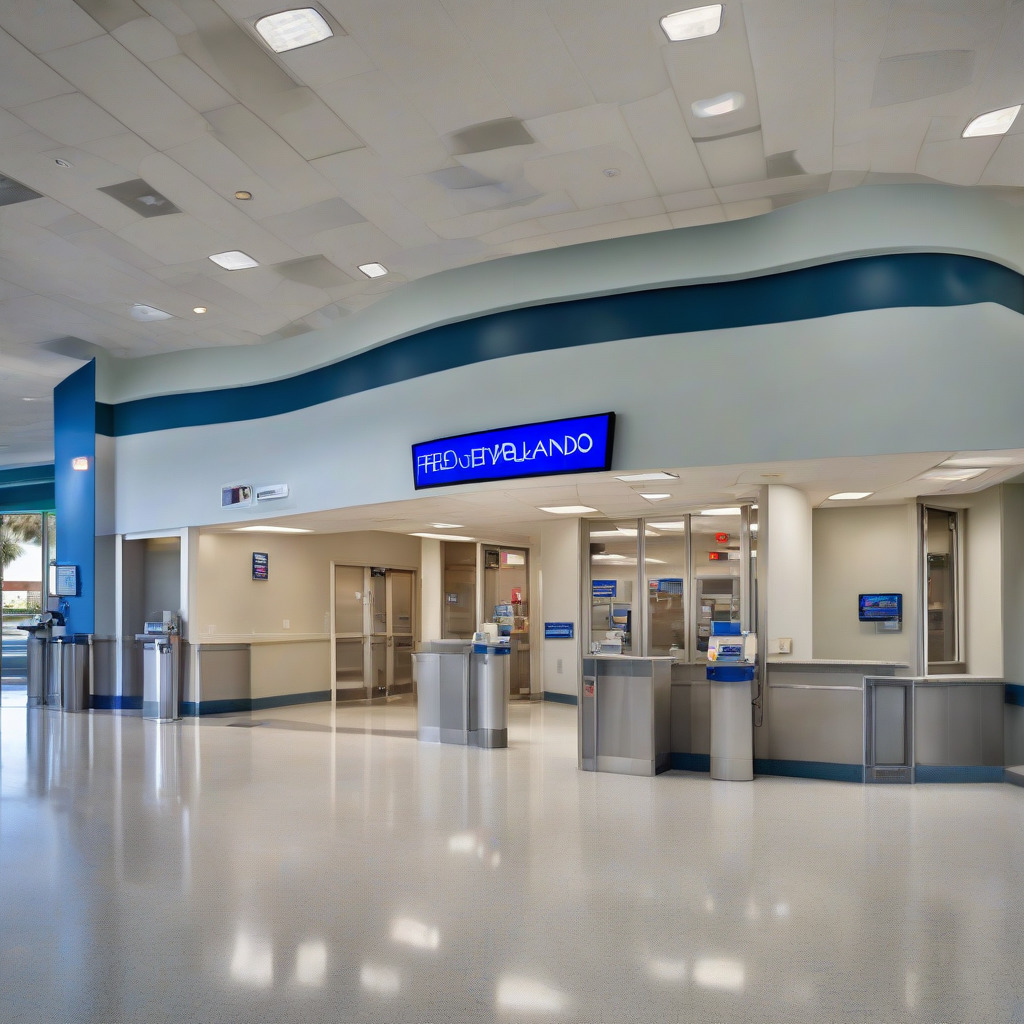
What you don’t know about the facility you’re walking into could add thousands to your bill. During the summer tourist peak, that risk is concentrated here in ways most residents still don’t fully appreciate.
Why Summer Is the Worst Time to Get This Wrong
Sometime this season, a family visiting from out of state will drive down International Drive looking for somewhere to take their child, who’s been running a fever since morning. They’ll pass a facility with a clean sign, a parking lot, and what looks like a walk-in clinic. They’ll check in, hand over their insurance card, and leave an hour later with a prescription and a vague sense of relief.
Weeks later, two bills arrive. The first shows an emergency department facility fee. The second, from a physician group they’ve never heard of, adds a separate physician charge. Their out-of-state insurance may treat the Florida facility as out-of-network. Total out-of-pocket exposure: potentially several thousand dollars. For a fever their pediatrician at home would have handled for a routine copay.
This isn’t a freak occurrence. It’s the predictable result of walking into a freestanding emergency room without knowing that’s what it is.
The mechanics are structural. Orlando draws millions of visitors annually, concentrated into summer months, carrying out-of-state insurance plans with limited Florida network coverage, under time pressure that kills careful research. But this isn’t only a tourist problem. Rapid residential growth in Horizon West, Lake Nona, and Apopka has outpaced traditional urgent care infrastructure. Freestanding ERs have moved aggressively into those gaps — they’re faster to license than a full hospital campus, and they generate dramatically higher revenue per visit.
In a market where AdventHealth and Orlando Health operate layered networks of hospital campuses, freestanding ERs, and urgent cares under overlapping brand names, even longtime Orange County residents struggle to tell one type of facility from another. AdventHealth operates “AdventHealth Emergency” locations (freestanding ERs) and “AdventHealth Centra Care” locations (urgent cares) throughout the metro. Orlando Health runs “Orlando Health Emergency Care” freestanding locations alongside urgent care clinics under the Orlando Health Physicians umbrella. A patient who has always gone to AdventHealth for family care has every reason to assume that an “AdventHealth” facility near their Horizon West home bills similarly to the doctor’s office they know. It frequently doesn’t.
This piece is a framework for making that distinction before you check in — and a remediation guide for those already holding an unexpected bill.
What “Freestanding ER” and “Urgent Care” Actually Mean
The terminology determines your bill. And at street level, it’s deliberately obscured.
A freestanding emergency department (FSED) is licensed by Florida’s Agency for Health Care Administration under Florida Statute §395.002 as an emergency department operating independently from a hospital campus. State law requires it to be open 24 hours a day, seven days a week, staffed by physicians and nurses qualified to handle trauma and critical care, with CT imaging, cardiac monitoring, IV infusion capability, and trauma stabilization equipment.
Here’s what that means for your bill: it charges using hospital-level facility fee codes. The same revenue codes a hospital ER uses. Regardless of why you walked in. When a freestanding ER sees you for a sore throat, it assigns your visit an acuity level — Level 1 through Level 5 — and charges a facility fee for that level. That facility fee alone typically runs $800 to $2,500 or more before any physician charges. The physician fee comes separately, on a separate bill, from a separate physician group under a separate tax ID. Many patients who pay the first bill believe they’ve settled the account. They haven’t.
Florida Statute §395.002(13): “Freestanding emergency department” means a facility that is structurally separate and distinct from a hospital and provides emergency care, as defined in s. 395.002(10). A freestanding emergency department must be licensed under this chapter.
A true urgent care center operates under a different license entirely. It runs during daytime and evening hours — rarely 24 hours. It handles non-emergency complaints: minor lacerations, respiratory infections, sprains, UTIs, simple fractures. There is no separate hospital-level facility fee. A visit that costs $40 to $150 out-of-pocket at an in-network urgent care can cost $500 to $2,000 or more at a freestanding ER. For the same presenting complaint. After deductible.
Florida law permits a freestanding ER to operate under any name the operator chooses. A facility can call itself “Quick Care” or “Community Wellness Clinic.” Nothing requires the words “emergency” or “ER” to appear on the sign. That’s not an oversight in the law. It’s a gap the industry has used.
How to Spot a Freestanding ER Before You Check In
Screenshot this section. Use it in the parking lot.
24-hour signage. If the facility is open around the clock, it’s almost certainly a freestanding ER. True urgent cares close, typically by 9 or 10 p.m. A “24/7” notice on the exterior is the strongest single visual signal available without talking to anyone.
An ambulance bay. Freestanding ERs accept ambulance transfers. Urgent cares don’t. A covered drive-through bay with emergency vehicle signage means emergency department licensure.
Triage desk instead of a reception desk. If a clinical staff member takes your vital signs before you’ve completed paperwork, you’re in an emergency department.
An EMTALA notice on the wall. Federal law requires all emergency departments — including freestanding ERs — to post a notice explaining your rights under the Emergency Medical Treatment and Labor Act. Urgent cares don’t post it. If you see it, you’re in an emergency department. No exceptions.
Visible clinical equipment. IV poles, cardiac monitors, and crash cart equipment visible through curtained bays or glass partitions indicate emergency department infrastructure. Urgent care rooms typically contain a table, basic vital sign equipment, and a computer terminal.
Three questions to ask at the front desk — before you register
“Is this facility licensed as an emergency department by the Agency for Health Care Administration?”
This is the determinative question. The answer is yes or no. An evasive response — “I’m not sure,” “you’d have to ask billing” — is itself an answer. A licensed FSED knows it’s a licensed FSED.
“Will I be charged a separate facility fee in addition to the physician fee?”
Yes confirms FSED billing. At a true urgent care, there is no facility fee. Knowing this before you register lets you decide whether to stay for a non-emergency complaint.
“Is this location in-network with my insurance plan, and are physician services billed by the same entity or by a separate group?”
In-network status at the facility does not guarantee in-network status for the physician group. Many freestanding ERs contract with independent physician staffing companies whose network status differs from the facility’s. This is how surprise bills happen even at nominally in-network locations — though the federal No Surprises Act has narrowed this gap for certain patient categories since 2022.
What Florida Law Requires — and What It Leaves Out
Florida Statute §395.301 requires freestanding emergency departments to post a conspicuous notice near the registration point stating: (1) the facility is licensed as a freestanding emergency department, and (2) the patient will be charged a facility fee separately from any physician fee, and that the physician fee may be billed by a separate entity.
That’s what the law requires. What it doesn’t require is worth understanding clearly. Facilities aren’t obligated to provide an estimated cost before treatment begins — only to disclose that fees will apply and that the billing structure differs from a physician’s office. They’re not required to tell you your likely acuity level in advance, which is the primary driver of the facility fee. They’re not required to confirm your specific plan’s network status before you register.
Enforcement of the §395.301 signage requirement has been inconsistent. AHCA’s oversight is largely complaint-driven; the agency doesn’t conduct regular inspections specifically targeting disclosure signage. Which means the entire disclosure framework depends on consumers knowing what to look for and filing complaints when they don’t find it. Don’t count on the sign being there.
If you register at a facility and later discover the required notice wasn’t posted at the registration point, that is a documentable AHCA complaint. The process is outlined in the final section of this piece.
Readers should verify current statutory language through the Florida Legislature’s official online statutes database, as amendments subsequent to this publication date may apply.
Orlando Metro Freestanding ERs by Corridor
Methodology: Operator names and corridors are sourced from AHCA’s Florida Health Finder licensure database and cross-referenced against Google Maps business listings. Specific addresses and current licensure status must be confirmed at FloridaHealthFinder.gov before relying on this information, as licensing status can change. Run a county-level search (Orange, Seminole, Osceola, Lake) filtering for “Emergency Department — Freestanding” to obtain current addresses and DBA names. Facilities are listed where consumer-facing branding may not make emergency department status immediately apparent. Hospital-campus ERs are excluded.
SR-436 Corridor (Casselberry / Altamonte Springs)
AdventHealth operates a freestanding ER in the Altamonte Springs area that shares the “AdventHealth” brand name with its AdventHealth Centra Care urgent care clinics nearby. The brand gives patients no signal that these are different billing categories — a reasonable assumption that happens to be expensive when wrong. Confirm facility type at FloridaHealthFinder.gov before visiting.
East Colonial Drive (Orlando / East Orange County)
Orlando Health operates a freestanding Emergency Care location on East Colonial. The consumer brand uses “Emergency” language, which satisfies state law. Independent urgent cares sit on the same stretch of road, so patients driving the corridor and comparing options may not register the billing distinction without checking. Confirm at FloridaHealthFinder.gov.
I-Drive / US-192 Tourist Corridor
This is the highest-risk zone, and it’s not close. Multiple freestanding ERs operate within the resort and hotel strip near the major theme parks — exactly where out-of-state visitors, unfamiliar with Florida’s freestanding ER model and running on short sleep, are most likely to walk in without asking questions.
AdventHealth operates a freestanding ER in the Celebration area, inside a ZIP code saturated with vacation rental guests. The facility name includes “Emergency Room,” which technically satisfies disclosure law — but visitors from states where urgent cares and ERs look alike may not register the billing implications of that phrase. Orlando Health operates an Emergency Care facility in Dr. Phillips. HCA Florida operates freestanding ER locations in the Kissimmee and Osceola County corridor. Confirm current addresses and licensure at FloridaHealthFinder.gov for all three operators.
Lake Nona
Lake Nona’s rapid growth and proximity to the Medical City health corridor have produced a mix of hospital-adjacent and freestanding emergency facilities. Patients may assume that a facility near a hospital campus bills on the same schedule as a campus ER. In some cases it doesn’t. AdventHealth operates a freestanding ER in the Lake Nona area. Confirm current address and licensure at FloridaHealthFinder.gov.
Horizon West / Windermere / Winter Garden
One of the fastest-growing residential zones in Orange County, and an area where FSED construction has outpaced urgent care development. If you’ve moved out here in the last few years, it’s worth knowing this before you’re in a parking lot at midnight trying to figure out where to take someone. AdventHealth operates a freestanding ER serving this corridor. Confirm current address at FloridaHealthFinder.gov.
Kissimmee / Osceola County
HCA Florida operates multiple freestanding ER locations in Osceola County, where rapid growth has generated new FSED licensure applications over the past five years. AdventHealth operates both freestanding ER locations and Centra Care urgent cares in Kissimmee — geographic proximity makes the branding confusion especially acute here. Confirm facility type at FloridaHealthFinder.gov before visiting any location in this corridor.
Apopka / Northwest Orange County
AdventHealth operates a freestanding ER in the Apopka area. This market has historically had limited emergency care infrastructure, and the FSED fills a real access gap — there are emergencies out here that needed somewhere to go. But for non-emergency complaints, patients who walk in without confirming facility type will pay FSED rates for a sore throat. Confirm current address at FloridaHealthFinder.gov.
CityDesk Orlando will update this list as AHCA licensure records change. Readers who identify unlisted FSEDs or facilities with changed status are encouraged to contact the newsroom.
The Real Bill: What a Non-Emergency Visit Actually Costs
The following comparison covers two scenarios — a simple four-suture laceration repair (CPT 12001) and a fever/upper respiratory evaluation (CPT 99213 equivalent) — at a representative urgent care versus a freestanding ER in Orange County. Dollar figures reflect general billing framework figures for this market; actual amounts vary by facility, insurer, and acuity assignment.
Scenario A: Simple Laceration (4 Sutures, CPT 12001)
| Line Item | True Urgent Care | Freestanding ER |
|---|---|---|
| Visit charge (billed) | ~$150–$250 | $800–$2,500+ (facility fee, Level 1–5) |
| Separate facility fee | None | Included above |
| Physician fee (separate bill) | Included in visit charge | $300–$700 (separate statement) |
| Est. patient out-of-pocket, in-network | ~$75–$150 | $500–$2,000+ |
| Est. patient out-of-pocket, out-of-network | Higher; varies by plan | Potentially unbounded before NSA protections apply |
Scenario B: Fever and URI Evaluation (CPT 99213 equivalent)
| Line Item | True Urgent Care | Freestanding ER |
|---|---|---|
| Visit charge (billed) | ~$150–$250 | $800–$2,500+ (facility fee, Level 1–5) |
| Separate facility fee | None | Included above |
| Physician fee (separate bill) | Included in visit charge | $300–$700 (separate statement) |
| Est. patient out-of-pocket, in-network | ~$75–$150 | $500–$2,000+ |
| Est. patient out-of-pocket, out-of-network | Higher; varies by plan | Potentially unbounded before NSA protections apply |
The two-bill structure is where patients get caught. The facility fee and the physician fee are almost always billed by separate entities — the FSED operator and an independent physician group contracted to staff the facility. These bills arrive weeks apart, from different return addresses. Patients who’ve paid the first bill sometimes believe the account is closed. The second bill is a legal obligation from a separate creditor. Ignoring it generates collections activity.
Acuity assignment is the other variable patients can’t control, and this is the part that bothers me most about the model. The Level 1 through Level 5 designation that drives the facility fee is determined by clinical staff at the facility, not by your self-assessment. A nurse who takes your vitals and finds a 102°F fever with three days’ duration may legitimately assign a higher acuity level. That assignment is medically defensible. It is also financially significant and invisible to you until the bill arrives. What you can do: request documentation of the acuity criteria applied to your visit after the fact, and if the criteria weren’t met, challenge the assignment through the billing dispute process.
If you’ve received bills from specific facilities and want to share itemized statements or EOBs with CityDesk Orlando for a follow-up comparison piece, contact the newsroom.
If You’ve Already Gotten the Bill
Step 1: Request the itemized bill — not just the EOB.
Your Explanation of Benefits tells you what your insurer processed. The itemized bill tells you what the facility charged at the line-item level. Call billing and ask for an itemized statement showing all revenue codes. Look for Revenue Code 045x. That’s the hospital facility fee code. Its presence on a bill from a visit you didn’t understand to be an emergency department visit is the factual starting point for everything that follows.
Step 2: Confirm the facility’s license type on Florida Health Finder.
Go to FloridaHealthFinder.gov and search by facility name or address. This takes about three minutes. If the facility is licensed as an FSED, the facility fee is legally authorized — your recourse is on the disclosure side. If it isn’t licensed as an FSED but charged facility fees using ER revenue codes, that’s a more serious matter.
Step 3: File an AHCA complaint if required signage was absent.
If you registered at the facility without seeing the conspicuous notice required by Florida Statute §395.301 — the sign near the registration point disclosing FSED licensure and the separate fee structure — file a complaint at ahca.myflorida.com. Document it with photographs if possible, the date and time of your visit, and a written description of what was or wasn’t posted. An AHCA complaint won’t by itself reduce your bill, but it creates documentation you can reference in billing negotiations, and it may trigger an inspection.
Step 4: Invoke the No Surprises Act if out-of-network provider billing is involved.
If the physician group that billed you is out-of-network while the facility itself is in-network, the federal No Surprises Act (effective 2022) may cap your out-of-pocket liability at the in-network cost-sharing amount. Call the federal No Surprises Act help desk at 1-800-985-3059. Not every dual-bill situation qualifies, but the help desk can assess your specific circumstances.
Step 5: Call the billing department and ask — directly — for a hardship reduction.
This works more often than patients expect, and most people never try it. Call billing, ask to speak with a financial counselor, and request a charity care application or hardship reduction by name, in those words. Freestanding ERs routinely reduce bills for uninsured, underinsured, and financially burdened patients. The worst answer is no.
The Florida Health Justice Project is a nonprofit legal advocacy organization that assists Florida residents with healthcare billing disputes, including FSED billing issues. They offer consultations and can assist with complaint navigation. Verify their current contact information before reaching out, as intake procedures change.
What Visitors Should Know Before They Need It
If you’re staying near I-Drive, the Disney corridor, or US-192, pull up FloridaHealthFinder.gov before you walk into any facility for a non-emergency complaint. Search by name or address. A facility that appears in the “freestanding emergency department” license category will generate an emergency room bill. Two minutes now versus a $1,500 surprise later.
One thing worth saying plainly: if someone needs emergency care — chest pain, difficulty breathing, significant trauma, altered consciousness — none of this applies. Go to the ER or call 911. Freestanding ERs exist for exactly those situations, and the billing structure is not the right variable when someone is seriously sick.
The problem this piece is trying to address is different. It’s the non-emergency patient who walked into a freestanding ER at 8 p.m. because it looked like an urgent care, handed over an insurance card without asking any questions, and is now holding a bill they don’t understand. That outcome is preventable. As part of our health & wellness coverage, we cover the Orlando-area healthcare decisions — including what to know about concierge medicine costs in Orlando — that affect what residents actually pay for care. The information to prevent a surprise freestanding ER bill fits on one phone screen and takes two minutes to find. That’s the entire ask.
CityDesk Orlando covers local business, consumer affairs, and healthcare policy in the greater Orlando metro. Tips, billing documents, and AHCA correspondence related to this story can be sent to the newsroom at the contact information below.