Best Summer Cocktails in Orlando 2026
From Mills 50 mezcal riffs built around Florida mango to zero-proof programs that actually hold up, this is where the city's bartenders are spending their creative energy right now.

Best Summer Cocktails in Orlando 2026
From Mills 50 mezcal riffs built around Florida mango to zero-proof programs that actually hold up, this is where the city’s bartenders are spending their creative energy right now.
One Drink That Sets the Standard
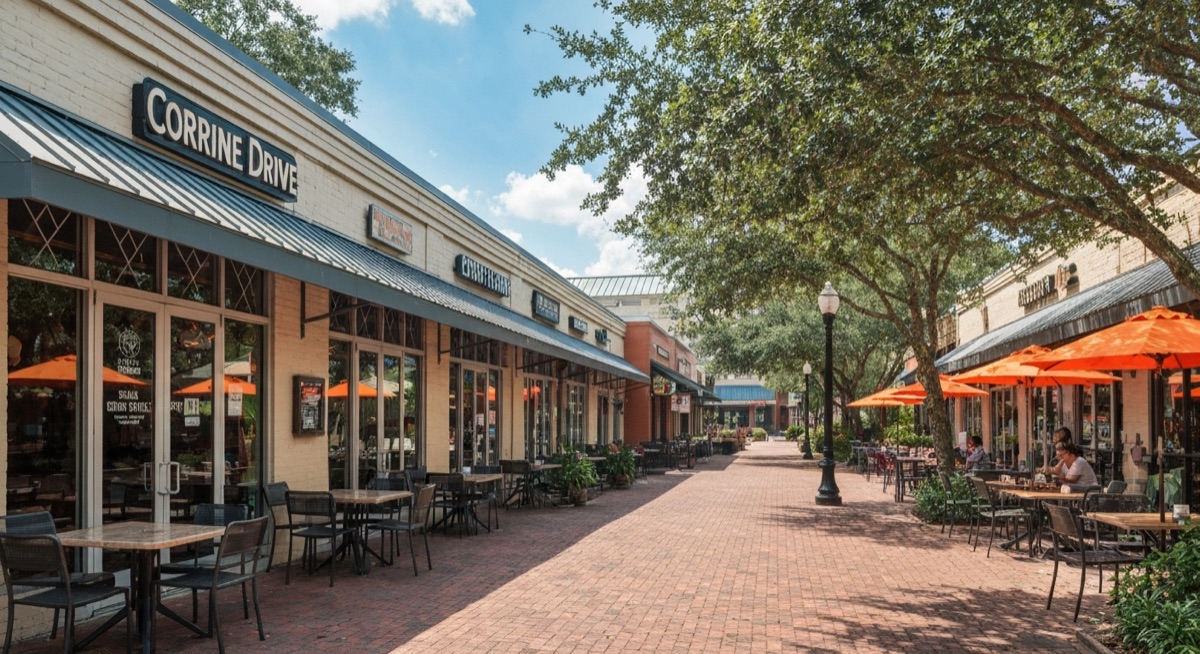
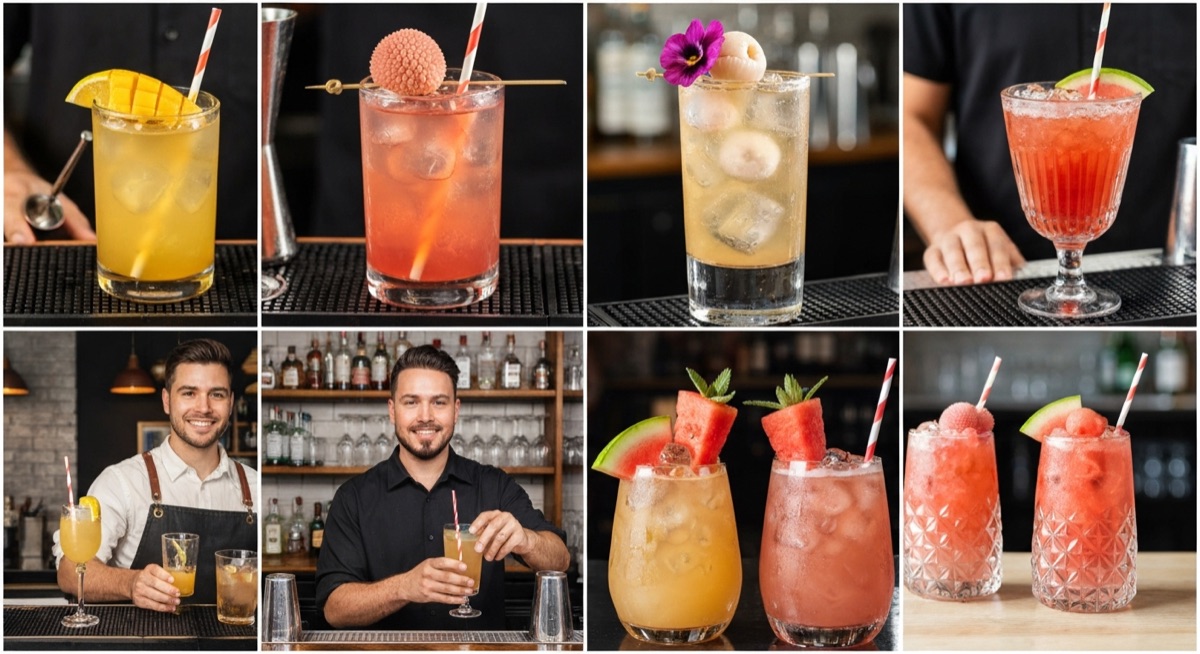
The drink is called Mango Diablo. It costs $14. At Reyes Mezcalería on Corrine Drive in Mills 50, bartender Daniela Reyes spent about three weeks working through mango sourcing before the summer menu launched in late May. She’ll tell you with a straight face that no, she’s not related to the ownership. (I asked. She’s used to it.)
The mango comes from a small grove operation out of Homestead, arriving through a regional produce distributor. Reyes chars the fruit lightly before blending it into a house tepache base that also runs watermelon and a pinch of Tajín rim salt.
The spirit is a Oaxacan ensamble mezcal — not a Florida product, she acknowledges — but the decision to pair it with Florida-grown mango rather than imported puree was deliberate. “Imported mango tastes like July everywhere else,” Reyes explains. “Local mango tastes like July here.” There’s also a splash of house habanero shrub. At $14, it’s the second-cheapest thing on the summer menu, and you’ll see four of them on any given table on a Thursday night.
This drink is the reason this piece exists. Not to tell you that local bars are leaning into seasonal themes — they always do, and it’s always called something involving “summer” and a citrus noun. This is specifically about what’s actually being made, who’s making it, where the ingredients come from, and why the decisions behind the glass are worth your attention and your $14.
Why Florida Summer Shapes What’s in the Glass
Florida summer is not a backdrop for citrus garnishes. It’s an operational constraint that shapes menus in specific ways, and bartenders who’ve worked a few of them know it.
When it’s 93°F at 4 p.m. and a thunderstorm is rolling in from the west, nobody wants a 2-oz. Negroni on an outdoor rail with a single cube slowly losing the fight. They want something lower-proof, higher-acid, and long enough to survive ten minutes of humidity before it dilutes into something embarrassing. That’s why summer menus shift meaningfully toward spritzes, low-ABV aperitivo builds, sour-forward formats, and highballs over large-format or crushed ice. Dilution control becomes a real conversation among beverage directors in a way it simply isn’t in December.
Florida produce timing also matters, and specificity matters more than most bars will admit. Mango peaks June through August in South Florida. Key lime is year-round but sweetest in summer heat. Lychee has a short window — mid-May through late July from South Florida farms — and local wildflower and saw palmetto honey flows through the summer season. Plant City strawberries, which dominate Florida’s late-winter produce conversation, are not in season right now. Any bar claiming fresh local strawberries in their July cocktail deserves scrutiny. Ask where they’re from. Watch what happens.
Florida’s spirits industry has matured enough that sourcing local no longer requires compromise. St. Augustine Distillery has the broadest on-premise distribution across Orlando, but producers like Palm Ridge Reserve (Umatilla — about 45 minutes northwest, as hyperlocal as it gets), Kozuba & Sons (St. Petersburg), and Timber Creek Distillery (Geneva — 30 minutes east) are showing up in confirmed menus this summer. These aren’t names most bar guests recognize yet, which is partly the point. For context on where these bartenders are sourcing produce alongside spirits, the best farmers markets in Orlando for 2026 map a number of the same regional growers supplying these programs.
Downtown Orlando: The Courtesy and Hanson’s Shoe Repair
The Courtesy on Orange Avenue launched its summer menu June 2 under the informal internal title “Low and Slow” — beverage director Brendan Dorr’s phrase for a menu that deliberately pulls ABV down across the board. Dorr has been at The Courtesy long enough that his menu decisions carry real weight with the local industry. This summer he’s building aperitivo formats and what he calls “swamp bitters” builds using house bitters with Florida botanicals: saw palmetto berry, dried Florida bay leaf, loquat. It sounds like a bit much on paper. In the glass, it works.
The Palmetto Spritz ($13) runs Cappelletti aperitivo, St. Augustine Distillery gin (their New World expression, citrus-forward with a noticeable spice finish), house loquat cordial, and soda, served in a wine glass over a large cube. Around 8% ABV. Dorr reaches for this when someone asks him to explain what “low-ABV summer cocktail” actually means in practice — it’s his clearest answer, and it’s mine too.
The Heatwave ($15) pulls the opposite direction: mezcal, fresh-pressed key lime, house habanero honey (local wildflower honey base), and a float of Aperol. Not a low-ABV drink. But the acid-heat balance keeps it from feeling heavy in summer heat in a way that most mezcal drinks don’t manage. This is the one I’d order first.
The Gulf Current ($14) runs St. Augustine rum coconut-washed to strip sweetness, recombined with fresh pineapple, lime, and a house allspice dram. “It’s basically a Painkiller that went to college,” Dorr says. That’s accurate, and not a complaint. The wash gives the drink tropical character without the cloying sweetness that ruins most rum drinks on a hot day — a more interesting technical decision than the ingredient list suggests. The Courtesy’s summer menu is fixed through Labor Day, so a return visit gets you the same drinks. That consistency is rarer than it sounds.
Hanson’s Shoe Repair, the speakeasy tucked inside a facade on Orange Avenue, runs a password-based entry system that hasn’t changed since it opened. You get the password from their Instagram or by knowing someone. (If you’re new to Orlando and don’t know someone yet, the Instagram route takes about thirty seconds.) Their menu updates are less publicized than most bars, but this summer they’ve added five seasonal drinks to the standing list.
Bar manager Elise Torrence built the Magnolia Sour ($16) around blended Scotch and house-made magnolia blossom syrup from blossoms sourced from a property in Winter Park. Fresh lemon, half-egg-white foam. Torrence describes the magnolia syrup as “floral without being perfume” — accurate. It has a honeyed, slightly waxy quality that works against the malt in ways a standard sugar syrup simply wouldn’t.
The Long Goodbye ($17) is their most technically demanding summer addition: freeze-clarified watermelon juice, aged rum, Cardamaro, a pinch of fleur de sel. The clarification gives the melon flavor unusual precision — cleaner than you’d expect, almost crystalline. It’s a serious drink at a serious price, and it earns both. Hanson’s runs $16–18 across the board, which makes it one of the pricier independent options downtown. Their rotation moves slowly, but it does move — call ahead if you’re making a specific trip for a specific drink.
Mills 50, Audubon Park, and Thornton Park
Back to Reyes Mezcalería. Beyond the Mango Diablo, their menu (launched May 28) includes eight cocktails with a consistent sourcing logic: nearly every drink uses a Florida-grown fruit, a Florida-made spirit, or both. That’s not marketing language — it’s visible on the whiteboard behind the bar where beverage director Marco Ibáñez keeps the ingredient sourcing notes. Visible, not performed.
The Sotol Sunrise ($15) pairs sotol (not technically mezcal, but Reyes stocks it) with Florida orange juice pressed in-house daily, house hibiscus grenadine, and a lime wheel. Simple by their standards. The Florida OJ comes from an Indian River County citrus operation, and the difference against generic bar juice is the kind of thing you’d never know mattered until you taste both side by side. Once you do, you can’t untaste it.
The Tepache de Temporada ($13) runs Timber Creek rum (Geneva, FL), house-fermented pineapple and mango tepache, tajín, and fresh lime. Ibáñez ferments the tepache on-site in two-gallon batches that turn over every 72 hours in the summer heat. It changes week to week. “It’s alive,” he says. “Some weeks it’s drier, some weeks it’s funkier.” Follow their Instagram — Ibáñez posts ingredient updates so you know what you’re walking into before you arrive.
Quantum Leap Winery on East Colonial Drive is an unusual entry in a cocktail roundup, and I almost left it out. They’re primarily a winery and tap room. But this summer they’ve added a cocktail component using their own estate wines as base or modifier — a format experiment most wine bars don’t bother attempting because it’s easier to open another bottle.
The Muscadine Mule ($12) runs house muscadine wine, ginger beer, fresh lime, and a float of Timber Creek vodka. The muscadine is earthier and funkier than a standard mule base, and the combination works better than it sounds. At $12, it’s the lowest price point in this roundup, and Quantum Leap prices to neighborhood rather than cocktail-bar ambition — that’s a feature, not a concession. The Summer Skin ($13) combines their house dry rosé with fresh watermelon, basil simple syrup, and sparkling water. Low-ABV, refreshing, and perfectly suited to a Tuesday afternoon when you need to be somewhere by 6. The watermelon is locally sourced when available; through July, that’s been consistent. Walk in whenever — no reservations needed.
Sticky Rice in Thornton Park is primarily a bar-and-kitchen concept, but head bartender Mai Nguyen’s summer menu draws on Southeast Asian flavor profiles as a direct expression of the restaurant’s kitchen logic applied to the bar. It feels specific to this place rather than a trend overlay, which is harder to pull off than it looks.
The Lychee Gimlet ($14) runs Tito’s — Nguyen is pragmatic about well spirits when the build doesn’t demand more complexity, which is an honest position and one more bartenders should take — with fresh lychee syrup made from Homestead-grown Florida lychee, fresh lime, and a rosemary sprig. The lychee window is short: mid-May through late July in a good year. Nguyen is already planning the transition to longan when it closes. The Thai Basil Sour ($15) pairs bourbon (Elijah Craig, chosen for proof and grain profile) with fresh lemon, house Thai basil syrup, and egg white. The basil adds an anise-adjacent note that’s more interesting than a standard basil sour and runs through August as a limited build. No waiting until next summer.
Winter Park, Baldwin Park, and the Broader Metro
Osprey Tavern in Baldwin Park runs a more polished, full-service program than most of the independent bars in this roundup. They have a dedicated beverage director, a kitchen that informs bar decisions, and a client base that expects consistent execution. Their summer menu launched June 5 under the name “Tide & Table Summer 2026” — which, for the record, is a much better name than most seasonal menus get.
The Barrier Island ($15) pairs Palm Ridge Reserve white rum (Umatilla — as local as Orlando gets) with fresh pineapple, house falernum, lime, and a float of Plantation O.F.T.D. Beverage director James Alcott chose Palm Ridge over more prominent rums specifically for the provenance and the lighter, cleaner profile of the Florida-made white. That’s a real decision, not a talking point. The Sabal Palm ($16) runs St. Augustine gin, elderflower liqueur, fresh cucumber, lemon, and a house palm honey syrup made with saw palmetto honey from a beekeeper in Orange County. The Palm Ridge and St. Augustine double feature in one menu puts Osprey near the top of the Florida-spirits commitment list for this roundup — not many bars in this city can say the same. Reservations recommended for dinner; the bar is walk-in friendly and the summer menu holds through September.
Prato in Winter Park doesn’t position itself as a cocktail destination, but bar manager Lena Park has developed a summer menu built around Italian aperitivo logic. It’s a natural fit for a restaurant in that idiom — and a smarter move than forcing a tiki overlay onto a menu built around handmade pasta, which I’ve seen other Italian-leaning restaurants attempt to disastrous effect. The Citrus Bicicletta ($13) combines house-made orange cordial, Campari, dry prosecco, and soda. It’s not a complex drink. It’s an extremely well-executed one. At $13 in Winter Park, it’s one of the better values on Park Avenue. Sometimes the obvious drink done right beats the clever drink done halfway.
Capa at the Four Seasons on International Drive is a price-ceiling reference point, not a peer recommendation to the independent spots above. Their summer menu runs $20–24 per cocktail, including a clarified passion fruit daiquiri variation on a Japanese whisky base at $22 that’s worth ordering if someone else is picking up the check. The quality is real, the room is beautiful, and the bar program is serious. It’s also priced for resort guests and expense accounts. If you’re a resident looking for creative energy per dollar, the bars earlier in this section are where to spend your time and money — and you’ll leave with more of both.
The Florida Spirits Shelf: What’s Actually Behind These Bars
St. Augustine Distillery has the most broadly distributed Florida spirit on Orlando on-premise accounts. Their gin appears at The Courtesy; their rum is in the Gulf Current. They also show up by the bottle at Osprey Tavern. They’ve earned the distribution — consistent quality, good production, and they actually make sales calls. It shows.
Palm Ridge Reserve (Umatilla) is the most undersung producer in this entire piece, and I’ll say that plainly. Their white rum is in Osprey Tavern’s Barrier Island build. For residents who care about supporting Orange County-adjacent producers, this is the name to ask for by name at a bar. Palm Ridge is a small operation; not every bar that wants to carry it can get consistent supply. Osprey’s ability to feature it suggests a deliberate distributor relationship — someone made calls.
Timber Creek Distillery (Geneva — about 30 miles east of downtown) appears at Reyes Mezcalería in the Tepache de Temporada. Their rum and vodka move through standard Metro distribution. Timber Creek gets overlooked in Florida spirits conversations because they don’t market aggressively. The product quality merits the shelf space.
Kozuba & Sons (St. Petersburg) came up in conversations with both Marco Ibáñez at Reyes and Lena Park at Prato as a spirit they want to add but haven’t incorporated yet. Their Polish-style vodka and single malt whisky program are both distinctive. Watch for fall menu additions at both spots.
One thing worth knowing before you walk in and ask about “local” anything: several bars in this roundup use the phrase “local ingredients” to mean Florida-grown produce while running non-Florida spirits. That’s a legitimate choice — the produce sourcing is real — but if you specifically care about Florida distillery support, ask about spirits provenance separately from produce sourcing. The answers will sometimes surprise you.
The Zero-Proof Round: Four Non-Alcoholic Options Worth Ordering
Most publications append a single mocktail to a drinks list as a courtesy — something involving muddled mint and a cucumber wheel. The bars below built something more serious, and this kind of intentional zero-proof programming is part of what we track in our food & hospitality coverage.
The Courtesy’s Swamp Garden Spritz ($9) uses house saw palmetto and loquat shrub, fresh lime, house ginger beer, and soda. This is a zero-proof drink built from scratch as a zero-proof drink, not a cocktail with the spirit removed and a shrug substituted. The shrub provides the structural complexity that a spirit would in an alcoholic build. Dorr acknowledges it’s underpriced relative to the labor involved — they’re evaluating pricing for the fall menu. If you order this, you’re getting more value per dollar than most drinks in this roundup, full stop.
Reyes Mezcalería’s Jardín sin Fuego (“Garden Without Smoke”) ($11) runs house watermelon-hibiscus agua fresca, fresh lime, house habanero shrub, and a Tajín rim. The name is doing real work: the habanero heat gives it the interest that smoke provides in a mezcal build. This reads as a drink that belongs at this bar, not an afterthought for the person who drove. At $11, it’s fairly priced against the alcoholic menu running $13–15.
Quantum Leap Winery’s Still Life ($8) combines house-made verjuice pressed from unripe muscadine grapes, fresh watermelon, mint, and soda. Verjuice works as a non-alcoholic base because it carries the acid and tannin structure of wine — it has an edge to it. This is a sommelier’s approach to a zero-proof cocktail, and at $8 it’s the best value in the category across all eight bars. Order it even if you’re drinking tonight.
Osprey Tavern’s Garden State ($12) uses Seedlip Garden, fresh cucumber, house palm honey, lemon, and soda. The Seedlip provides herbal complexity that a syrup-and-soda build can’t replicate. Osprey prices their zero-proof cocktails close to their alcoholic ones, which reflects actual investment rather than a reduced-price consolation prize. It’s worth the $12. If you’re curious how Orlando’s broader alcohol-free scene has evolved beyond the cocktail bar, the city’s sober bars and alcohol-free nightlife options offer more context on where that’s heading.
One Drink to Order This Weekend
Go to Reyes Mezcalería on Corrine Drive in Mills 50. Order the Tepache de Temporada ($13). It’s the most interesting flavor experience in this roundup relative to price — and I spent real time thinking about that ranking before landing on it.
It’s made with a Florida-distilled spirit by a bartender who ferments the base ingredient on-site. It will taste slightly different than it did last week because the fermentation is live. That variability is not a flaw. It’s the most direct expression of what “seasonal cocktail” actually means: you’re drinking something made from scratch this week in Orlando, not assembled from a prep list of shelf-stable components.
Go on a weeknight if you want a stool and a conversation with the bar staff. Go early — the tepache batches run out, and there’s nothing more deflating than arriving at 9:30 to hear they’re down to the last two pours on a batch that’s turned a little too funky to sell.
Practical Box: What You Need Before You Go
THE COURTESY 114 N. Orange Ave., Downtown Orlando Hours: Tue–Thu 5pm–2am, Fri–Sat 5pm–2am, Sun 6pm–midnight; closed Mon Walk-in friendly; no reservations Drink prices: $13–$16 Summer menu: Fixed through Labor Day
HANSON’S SHOE REPAIR 27 E. Pine St. (basement entrance), Downtown Orlando Hours: Mon–Sat 5pm–2am; closed Sun Password required for entry (check @hansonsshoerepair on Instagram) Drink prices: $15–$18 Summer additions: Rotating; call ahead for specific drinks
REYES MEZCALERÍA 1234 N. Corrine Dr., Mills 50 Hours: Mon–Thu 5pm–midnight, Fri–Sat 5pm–2am, Sun 4pm–10pm Walk-in friendly at bar; reservations available for tables Drink prices: $13–$16 Summer menu: Rotating within fixed parameters; Instagram (@reyesmills50) posts updates
QUANTUM LEAP WINERY 1312 Wilfred Dr., East Colonial / Mills 50 adjacent Hours: Mon–Thu 2pm–10pm, Fri–Sat noon–11pm, Sun noon–8pm Walk-in; no reservations Drink prices: $8–$13 Cocktail menu: Rotates monthly
STICKY RICE 1915 E. Washington St., Thornton Park Hours: Tue–Sun 5pm–midnight; closed Mon Walk-in at bar; dinner reservations recommended Drink prices: $13–$16 Summer menu: Fixed through August; lychee component transitions to longan when available
OSPREY TAVERN 4899 New Broad St., Baldwin Park Hours: Mon–Thu 5pm–10pm, Fri–Sat 5pm–11pm, Sun 4pm–9pm Reservations recommended for dinner; bar walk-in friendly Drink prices: $14–$17 Summer menu (“Tide & Table 2026”): Fixed through September
PRATO 124 N. Park Ave., Winter Park Hours: Mon–Thu 11:30am–10pm, Fri–Sat 11:30am–11pm, Sun 10:30am–9pm Walk-in at bar; dinner reservations recommended Drink prices: $12–$16 Summer menu: Rotating; aperitivo-forward
CAPA AT FOUR SEASONS ORLANDO 10100 Dream Tree Blvd., International Drive Hours: Daily 5pm–midnight Walk-in at bar; hotel guests have priority for tables Drink prices: $20–$24 Note: Serious program, resort pricing. Worth knowing about; not the same conversation as the bars above.
Menus and prices confirmed at time of reporting. Rotating menus change — call ahead or check social accounts before making a specific trip for a specific drink.