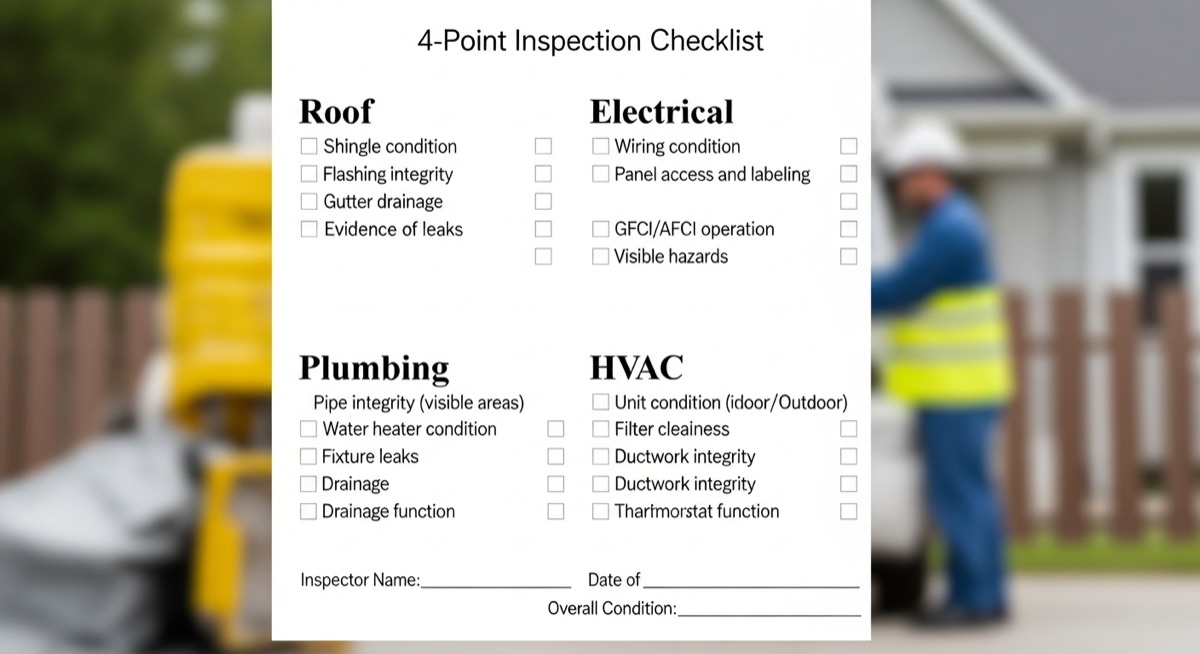
How to Pull a Home Renovation Permit in Orlando
From same-day A/C swaps to multi-week room additions: a project-by-project breakdown of current wait times, common rejection causes, and how to avoid the resubmittal trap.

How to Pull a Home Renovation Permit in Orlando
From same-day A/C swaps to multi-week room additions: a project-by-project breakdown of current wait times, common rejection causes, and how to avoid the resubmittal trap.
If you’re planning a home renovation in the Orlando area and you’ve started googling permit timelines, you’ve probably already noticed the answers are vague, outdated, or written for somewhere that isn’t here. This piece is an attempt to fix that. What follows is a reported breakdown of how Orange County’s permitting process actually works right now: which projects require a permit, how long each category is running, what’s causing delays, what it costs, and what happens if you skip the process in a state that takes unpermitted work more seriously than most.
First: Are You Even in Orange County’s Jurisdiction? (Most Orlando-Area Residents Get This Wrong)
Before anything else, confirm which permitting authority covers your property. This mistake wastes real time — and it’s shockingly common.
Orange County Building Division and the City of Orlando Building and Permitting Services are separate departments with separate portals, separate fee schedules, and separate review timelines. Your mailing address says “Orlando” on nearly every envelope regardless of which jurisdiction you’re in. That city name is a mail designation, not a government boundary. It genuinely doesn’t mean what most people think it means.
The City of Orlando handles permitting for properties inside Orlando’s incorporated city limits. Orange County Building Division handles unincorporated Orange County. But several other incorporated municipalities inside Orange County also run their own independent permitting departments: Winter Park, Apopka, Ocoee, Winter Garden, Maitland, and Belle Isle. If your home is in one of those cities, you go to that city, not the county.
The neighborhoods that trip up homeowners most: Dr. Phillips is unincorporated Orange County, not the City of Orlando, despite widespread assumption otherwise. Hunter’s Creek is split — parts sit in unincorporated county, parts edge toward the City of Orlando depending on the subdivision. Conway is largely unincorporated county. Pine Hills is unincorporated county. Several sections along Lake Nona’s western edges fall under county jurisdiction even though the area feels like a self-contained city at this point.
The cleanest way to confirm: use the Orange County Property Appraiser’s office and search your address. The record will show the taxing authority and municipal district. If it says “unincorporated,” your permit goes to Orange County Building Division. If it names a municipality, contact that city’s building department directly.
Every practical step in this article assumes you’ve confirmed you’re in unincorporated Orange County.
Which Projects Require a Permit in Orange County — and Which Don’t?
Florida operates under the Florida Building Code, which was substantially strengthened after Hurricane Andrew in 1992 and revised again after Hurricane Ian in 2022. The threshold for what requires a permit is higher here than in most other states. This surprises nearly every homeowner who relocated from the Midwest or Northeast — and honestly, it surprises some longtime Florida residents too.
Roof replacement requires a permit in Orange County, including shingle-over-shingle work. No exceptions. A like-for-like A/C or water heater replacement triggers a mechanical permit, and the county requires an inspection before the utility will reconnect service. If you’re installing a generator with a transfer switch, you’ll need both an electrical permit and inspection.
Solar panels require permits here. If a structural engineer determines your roof load is borderline, that paperwork becomes part of the application. Swimming pools — above-ground or in-ground — require permits. In-ground work triggers more involved review including state-mandated barrier and fence requirements.
Kitchen or bathroom remodels fall into a category where scope determines what gets permitted. If you’re moving walls, relocating plumbing supply or drain lines, or modifying electrical circuits, a permit is required. A simple fixture swap — replacing a faucet or toilet with no plumbing reconfiguration — generally doesn’t. Verify this with Orange County Building Division before starting work, because the line between “simple swap” and “reconfiguration” can get blurry fast.
Fence installation requires a permit in Orange County above applicable height thresholds, and always when a fence abuts a pool for safety reasons. Before submitting a fence permit, verify the current height threshold with the Building Division — that figure can change and requires local confirmation. Electrical panel upgrades and generator hookups require permits. Window and door replacements need a permit if you’re changing the rough opening size. Florida’s product approval requirements mean any replacement window must be approved for use in a high-velocity wind zone, and you’ll typically need the installer’s documentation on hand.
Interior painting doesn’t require a permit. Flooring replacement — tile, hardwood, vinyl plank — doesn’t if there’s no structural subfloor work. Cabinet replacement that doesn’t involve relocating plumbing supply lines, drain lines, or electrical outlets stays in the clear. Like-for-like fixture swaps and landscaping adjustments unrelated to a new system installation fall outside the permitting requirement.
For homeowners relocating here from other states, here’s the honest framing: if your previous state didn’t permit what Florida permits, that’s probably accurate, not a Florida bureaucratic overreach. Florida permits more because Florida’s wind and flood exposure is genuinely higher. Post-Ian inspections confirmed that the construction quality gap between properly inspected and non-inspected work is significant — and not in a theoretical way. Permit fees and timelines are an inconvenience. A roof that fails in a named storm is a different problem altogether.
How Long Is the Wait, By Project Type? Current Benchmarks
For a kitchen or bathroom remodel with structural, plumbing, or electrical scope, plan for a first-round plan review of 10 to 21 business days from a clean, complete application. Room additions run three to six weeks. Simple mechanical permits (water heater, A/C changeout) can be approved same-day or within three business days if submitted correctly and volume allows. These figures assume a complete, correct first submission — a single resubmittal cycle adds two to four weeks, which is the part most homeowners don’t see coming.
Orange County Building Division publishes live turnaround time estimates on its permitting portal at orangecountyfl.net/PermitsLicenses. Pull that number the day you’re planning your project. The live estimate is the most accurate single data point available and changes with submission volume, so anything you read elsewhere — including this article — is a benchmark, not a guarantee.
Simple mechanical permits move through the over-the-counter review track. Same-day or next-day approval is achievable in low-volume periods; the county’s published benchmark is same-day to three business days. Spring and post-storm periods push toward the longer end. The single most common delay on re-roofs is missing Florida Product Approval documentation. The product approval number for the roofing material must be on the application. That’s a straightforward fix — if you know to look for it.
Kitchen or bathroom remodels with structural, plumbing, or electrical scope run 10 to 21 business days for initial plan review. Post-Ian construction volume and ongoing population growth in the SunBelt corridor mean real-world contractor experience often runs toward the longer end of that range. Build your project schedule accordingly. Room additions and detached garages with concrete slabs and electrical work trigger the same review layers and fall in similar ranges — three to six weeks for initial plan review.
Spring is the highest-volume submission period in Orange County, running roughly March through May. The optimal windows for submission if you have scheduling flexibility: January through mid-February and October through November. Contractors who can time their project starts around those windows are consistently reporting faster approvals. It’s not a guarantee, but it’s a real edge.
How to Actually Submit a Permit Application in Orange County
Orange County uses the Accela Citizen Access (ACA) portal, accessible through orangecountyfl.net/PermitsLicenses. You’ll need to create an account before you can submit anything. Contractors submit under their licensed contractor account; homeowners pulling their own permit (which Florida allows for owner-occupied single-family homes in most categories) submit under a homeowner account.
Simple mechanical permits handle entirely online. You select the permit type, fill in project details, upload required documentation like contractor license and insurance certificates, enter product approval numbers where applicable, pay the fee, and submit. Projects requiring plan review — room additions, kitchen remodels with structural scope — require you to upload drawings and supporting documents in the portal. Projects with significant structural scope may require a pre-application meeting; check the portal guidance for your specific project type or call the Building Division to confirm before you submit. Skipping that confirmation step is how people waste a week going in the wrong direction.
When setting up your account and entering project details, the system’s project type classifications matter for how your application gets routed. A misclassification — listing a structural addition as a simple alteration, for example — can cause your application to be returned before it ever reaches a plan reviewer. If you’re unsure how to classify your project, calling the Building Division before you start the application saves real time.
Orange County Building Division main line: 407-836-5550. The division’s customer service staff can confirm whether your project type requires any in-person component and advise on current office hours.
What Causes Permit Rejections and Delays — and What You Can Do About It
The resubmittal cycle is where most project schedules fall apart. When a plan reviewer finds deficiencies in your application, they issue a correction comment and return the application to you. You revise and resubmit. The resubmittal goes back into the review queue, not to the front of the line. Each cycle typically adds 2 to 4 weeks to your timeline in the current environment. Two rounds of corrections on a room addition can push a project from a hoped-for six weeks to twelve or more — which tends to come as an unpleasant surprise when you’ve already told the contractor you’re starting in April.
Incomplete or non-compliant drawings rank as the most frequent rejection trigger. Residential additions and remodels require site plans that accurately reflect current property dimensions, setback lines, and existing structure footprints. Drawings pulled from a generic template or traced from an old survey without verification are common problems. Unpermitted work completed over the years — a converted carport, a screen enclosure added after the original survey — that isn’t reflected on the site plan will flag a correction. And here’s the uncomfortable part: it means the reviewer now knows about that old unpermitted work too.
Energy compliance forms are mandatory in Florida and their absence triggers automatic rejection for anything beyond simple mechanical permits. Residential additions and remodels require Manual J load calculations for HVAC work and an energy form for additions. Panel upgrades and whole-house rewires require electrical load calculations. Submitting without them adds a full correction cycle — a completely avoidable one.
Contractor license and insurance documentation gaps cause administrative rejections before the application even reaches technical review. If a licensed contractor is pulling the permit, their license number must match what’s on file with the State of Florida and their certificate of insurance must be current. An expired COI or a license number entered incorrectly will bounce the application. It sounds like a small thing until it costs you three weeks.
Site plans that don’t reflect actual conditions create problems later in review. If your submitted site plan shows your lot as it looked years ago and you’ve added a fence, a shed, or a screen enclosure since then, reviewers will flag the discrepancy.
What reduces resubmittal risk on complex projects: hire a draftsperson or residential designer who knows the Florida Building Code and Orange County’s specific requirements. The cost is almost always recovered in time saved on a project with structural elements. For complex or high-value projects, consider a permit expediter. Professionals who manage the submission process, communicate directly with plan reviewers, and handle correction responses exist specifically for markets like greater Orlando, and they can cut meaningful time off the process for major additions or high-value remodels.
Pull the current live turnaround estimate and plan review checklist from the portal before you submit. Orange County’s portal publishes project-type-specific checklists. Every item on that checklist is a potential rejection reason — treat it like a preflight list.
What Does a Building Permit Actually Cost in Orange County?
Orange County calculates residential permit fees as a percentage of stated construction value, with additional flat fees for specific items. The current fee schedule is published at orangecountyfl.net under the Building Division section. Based on current fee schedules, simple residential permits generally run in the range of $200 to $500; room additions and major remodels typically run $1,000 to $3,500 or more depending on stated construction value. Verify the current fee schedule directly before budgeting — these figures should be treated as planning benchmarks, not locked costs.
Whether Orange County offers a fee-based expedited review track for residential projects has not been confirmed as of this reporting. Call the Building Division at 407-836-5550 to verify. Program availability can change with budget cycles and staffing, and it’s worth a five-minute phone call to find out.
After-the-fact permits carry a penalty surcharge. Florida statute and local Orange County ordinance allow for after-the-fact permitting of unpermitted work, but the fee carries a multiplier above the standard rate — reportedly 25% above the base permit fee. This figure requires current verification with the Building Division as it has changed in recent years.
What Actually Happens If You Skip the Permit
This deserves more than a paragraph at the bottom of the page, because the consequences in Florida are more specific and more serious than in most states. I keep running into homeowners who treat this section as boilerplate. It isn’t.
Orange County inspectors can issue a stop-work order on the spot if they identify work in progress without a permit. They discover violations through a neighbor complaint, a routine neighborhood inspection sweep, or an inspector seeing activity while visiting an adjacent property. Work halts immediately and fines accrue daily until the permit is obtained and outstanding violations are resolved. The neighbor complaint scenario, in particular, is more common than people expect — especially on lots where the renovation is visible from the street.
Under Florida Building Code, a local jurisdiction has the authority to require demolition of completed unpermitted work if it cannot be inspected in its current state. Walls may need to come down. Electrical work concealed behind drywall may need to be exposed. If the inspector cannot verify code compliance, the jurisdiction can order the structure removed. That’s not a theoretical risk — it happens.
Florida law requires sellers to disclose known material defects to buyers. Unpermitted additions and major unpermitted work qualify as material defects. If you sell without disclosing and the buyer discovers unpermitted work post-closing — increasingly likely as buyer inspections in the Orlando market have become more thorough — you face civil exposure.
Some title insurers and lenders flag unpermitted work during underwriting, particularly for higher-value homes. A room addition that doesn’t appear in permitted records but shows up in square footage discrepancies can kill a closing. Homeowner’s insurance carriers can deny claims for damage that originates in or is related to unpermitted work. A fire originating in an unpermitted panel upgrade, a roof failure on a re-roof that was never inspected, water damage from unpermitted plumbing work: if the insurer can tie the loss to unpermitted construction, they have grounds to disclaim coverage. That’s the scenario that should make anyone uneasy — you’ve paid premiums for years and the claim gets denied because a contractor talked you out of pulling a permit.
After-the-fact permitting exists and it’s legitimate. Orange County will issue after-the-fact permits for most project types. The honest caveats: the fee surcharge applies, the process takes as long as a standard permit review, and if the work can’t be inspected in its current state, you may be required to open walls or otherwise expose the work for inspection. Whether after-the-fact permitting is cheaper than potential sale complications or insurance exposure is almost always yes. But it’s not painless, and there’s no version of this where skipping the permit was a good call.
Neighborhood-Specific Notes — Why Your Address Changes the Calculus
Winter Park, if your property falls within city limits, means dealing with Winter Park’s Building Division, which has a reputation for particularly careful review on properties in historic districts and on older tree canopy lots. Plans that move through county review can get detailed scrutiny from Winter Park reviewers on setbacks, tree preservation requirements, and historic compatibility. Budget additional time and verify jurisdiction before submitting anything — Winter Park’s review process is its own thing.
Lake Nona’s jurisdictional patchwork is real and worth understanding early. Portions fall under the City of Orlando, portions under Orange County. High new-construction volume in the corridor has stretched county plan review capacity, and the area tends to run on the longer end of current benchmarks. Verify jurisdiction carefully and submit as early as your project schedule allows.
Pine Hills and older unincorporated county housing stock create particular conditions. Older construction, non-standard framing, and property surveys that haven’t been updated in decades create higher structural resubmittal rates. Contractors working Pine Hills and similar older unincorporated neighborhoods consistently recommend getting an updated survey before submitting any addition or structural remodel permit. The cost prevents the correction cycle that results from a site plan that doesn’t reflect current conditions — and in these neighborhoods, current conditions often look nothing like the original survey.
Dr. Phillips and Windermere attract high-value remodels that often involve more intricate plan sets, higher construction values, and occasionally custom structural engineering. The complexity means these projects are more susceptible to resubmittal cycles if the initial submission isn’t complete. The expediter model makes the most economic sense here. The carrying cost on a major renovation while waiting through a second correction cycle is real money, and in that price range, the expediter fee is a rounding error by comparison.
Hurricane season creates a permit wildcard that’s worth planning around. Orange County’s permit volume spikes sharply after a named storm makes landfall nearby. Hurricane Ian in September 2022 is the documented recent example: roofing permit submissions surged, and all permit types saw processing times extend significantly — 30 to 60-plus days for a period of several months afterward. If your area sustains damage in a storm and you’re simultaneously trying to permit a pre-planned renovation, build extra buffer into your timeline. The Building Division does add staff capacity post-storm, but demand consistently outpaces the ramp-up. That’s just the reality of what a major storm does to the permitting system here.
CityDesk Orlando will update this article when Orange County posts revised fee schedules or makes changes to the ACA portal process. Readers with jurisdiction-specific questions should verify current processing times at orangecountyfl.net/PermitsLicenses or by calling Orange County Building Division at 407-836-5550.