What Orlando Homeowners Are Actually Paying for Mold Remediation in 2026
National price guides are useless here. We break down real costs by job scope, explain Florida's licensing rules, and tell you what your insurer will fight you on.

National price guides are useless here. We break down real costs by job scope, explain Florida’s licensing rules, and tell you what your insurer will fight you on.
It starts with a smell you can’t quite place, or a stain behind the vanity you assumed was old water damage. For a homeowner in Conway or Azalea Park, the Monday after a July weekend storm is often when the story begins. A slow drip from a failed p-trap, or a roof soffit that gave out under Sunday’s thunderstorm, and the wall cavity behind the bathroom tile is suddenly producing something black and irregular that definitely wasn’t there in May.
Then come the calls. One company quotes $800 for “surface treatment.” Another won’t give a price without a full assessment first. A third arrives within two hours with a crew, a $9,500 quote, and an urgent pitch about health risks that seems engineered to close before you’ve had time to think. The range reflects genuine variation in job scope, licensing status, and — let’s be direct — how much a contractor thinks they can extract from a homeowner who doesn’t yet know the rules.
Getting this wrong is expensive in multiple directions. Hire an unlicensed operator and the work probably won’t pass post-remediation clearance testing, meaning you pay again. Make a procedural mistake with your insurer in the first 48 hours and the claim dies before it starts. Sign a contract with a company that does both assessment and remediation — which sounds convenient and is actually illegal in Florida — and you’ve paid for a process with no independent verification built in.
This article covers residential properties in Orange and Seminole counties, summer 2026 pricing, and the specific regulatory and climate context that makes Orlando genuinely different from anything you’ll find on a national aggregator. If you’re working from a HGTV rule of thumb or a Reddit post written by someone in Ohio, start over here.
What Orlando Homeowners Are Actually Paying: Cost by Job Scope
The price ranges below come from direct conversations with licensed mold assessors and remediators operating in Orange and Seminole counties. They reflect what homeowners are actually paying in summer 2026.
Surface bathroom mold under 10 square feet: $500–$1,500
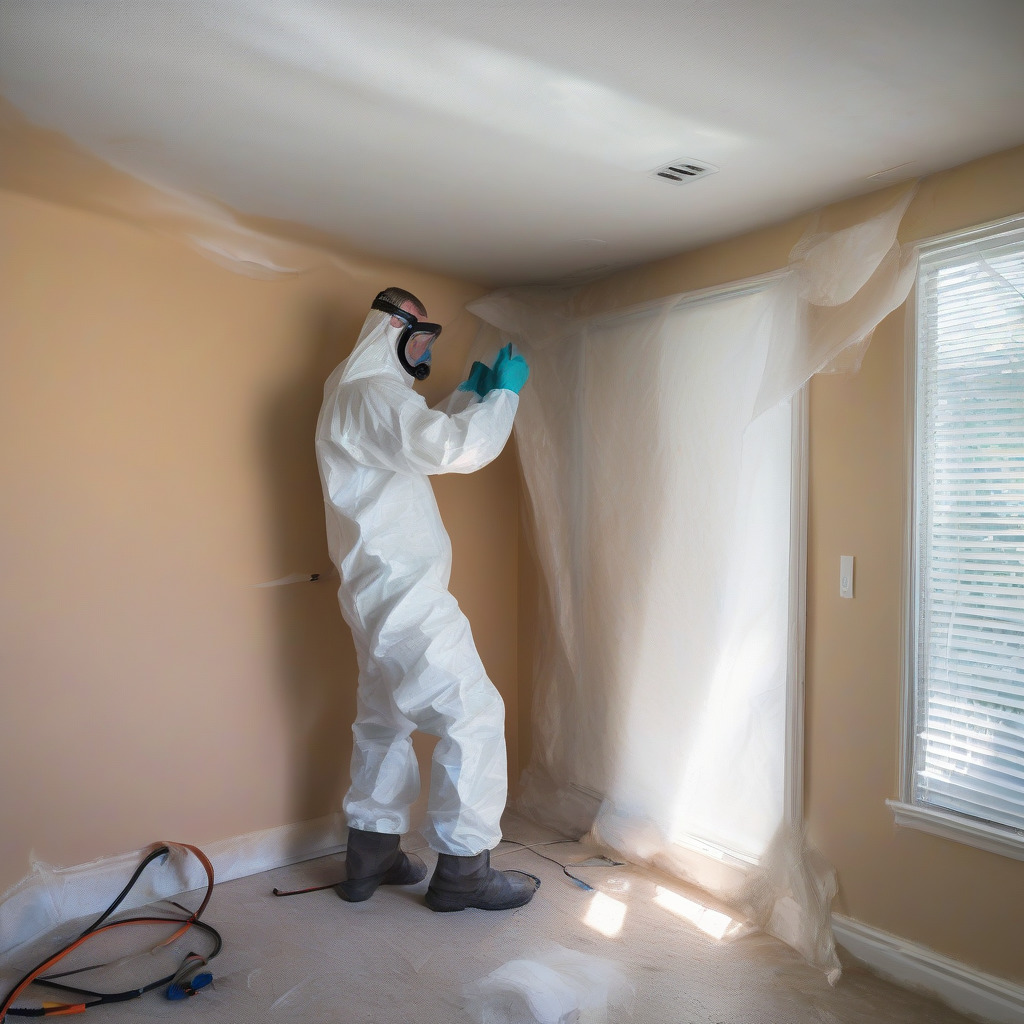
Best-case scenario. Mold confined to tile grout, caulk lines, or the face of drywall in a small bathroom, where the affected area is genuinely limited. A licensed remediator still needs to set up containment, use appropriate antifungal agents, and document the work — so even a small job has a floor. At the low end, this is a few hours of labor with minimal materials. At $1,500, you’re into tile removal and partial drywall cuts once the remediator confirms growth has penetrated the surface. That upgrade happens more often than homeowners expect.
Single-room remediation after a roof or pipe leak: $3,000–$12,000 and up
The most common job type in Central Florida, and the most variable. The $3,000 floor assumes limited drywall involvement, no structural framing damage, and containment that doesn’t require HVAC shutdown. The ceiling climbs fast — drywall removal that exposes colonization on studs or insulation, water that reached carpet or wood flooring (both require full replacement, not treatment), or a roof leak that traveled to multiple rooms all push costs higher. Local operators note that post-leak jobs quoted at $4,000 routinely escalate to $8,000–$10,000 once demo begins, because the visible mold on the drywall face understated what was happening in the cavity behind it. That’s not a contractor changing the deal. It’s a problem you can’t fully see until you open the wall.
HVAC and air handler contamination: $1,000–$4,000-plus, with ductwork escalating further
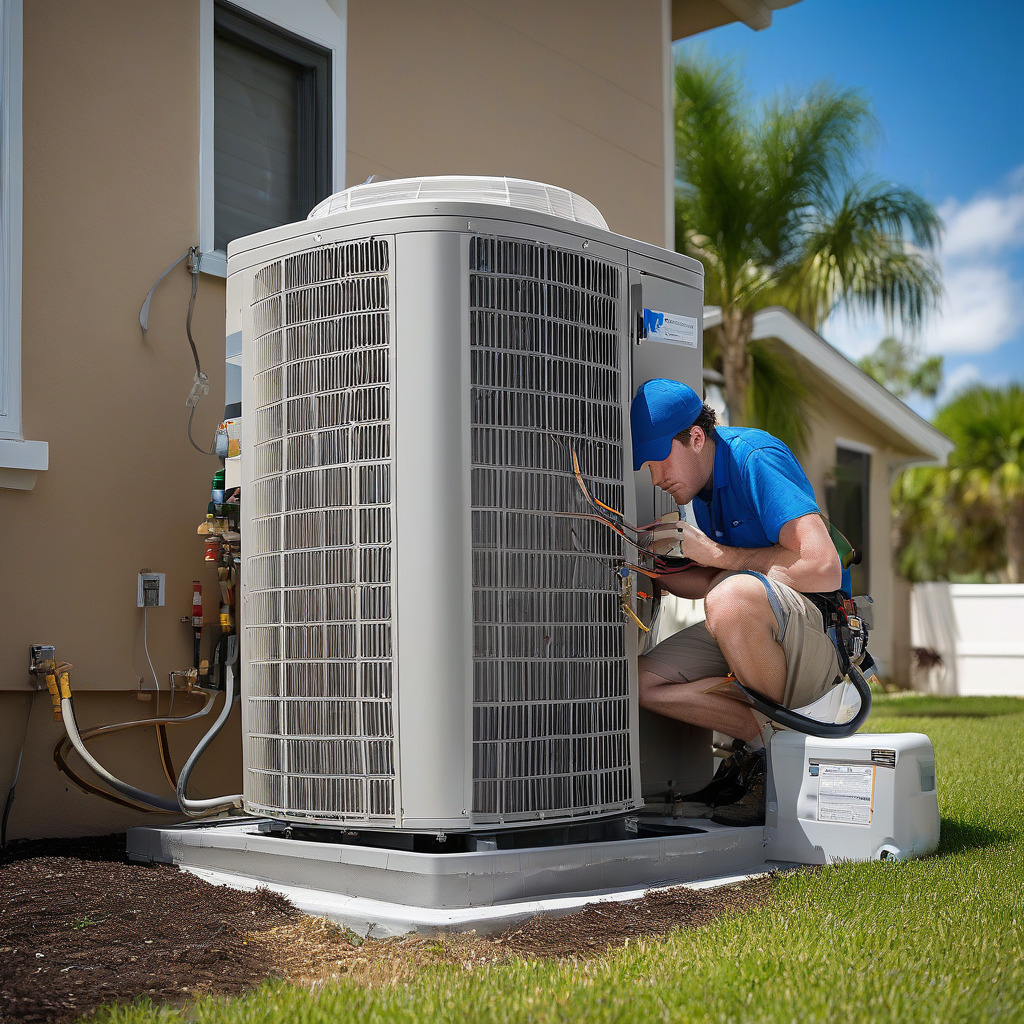
Orlando’s continuously running central air systems are one of the most common mold vectors in the region, and also some of the most complex jobs to scope. Mold at the air handler unit itself — typically caused by a clogged condensate drain line — can be addressed for $1,000–$2,000 if caught early and confined to the unit. Once it’s in the ductwork, each contaminated section must be cleaned or replaced, the system goes offline during remediation, and air sampling expands substantially. One local HVAC contractor put it plainly: homeowners who clear their condensate lines before standing water develops catch about 80 percent of potential HVAC mold problems before they require anything beyond a drain-line cleaning. That’s a $75 service call versus a $3,000 remediation. Worth writing down somewhere.
Crawl space remediation in older College Park or Winter Park homes: $1,500–$6,000-plus
Central Florida doesn’t have many basements, but older ranch-style homes in College Park, Winter Park, and parts of Sanford have crawl spaces that rank among the highest-risk mold environments in the region. Ground moisture, limited airflow, and plumbing proximity create persistent conditions for wood-frame colonization. At the low end, you’re looking at surface treatment of limited joist area with encapsulation. At the high end: significant joist replacement, vapor barrier installation, post-remediation structural drying, and coordination with a general contractor for framing work. Several operators noted that crawl space jobs scoped after the summer rainy season frequently reveal moisture intrusion that predates discovery by months or years. The cost variation reflects how long the problem has been quietly developing beneath the floor.
Standalone mold assessment with air sampling: $300–$600, plus lab fees
If you don’t already know the extent of the problem, start here — not with a remediator. A licensed mold assessor inspects the property, identifies affected areas, takes air and surface samples, and produces a written remediation protocol. Lab analysis adds roughly $30–$50 per sample depending on count and turnaround. The assessment fee is separate from remediation and is not rolled in when you hire a firm to do both. If a company offers to discount the assessment against their remediation work, that’s a legal problem, not a deal.
The Florida Licensing Rule Most Contractors Won’t Volunteer
In 2011, Florida enacted Part XVI of Chapter 468, creating a specific licensing framework for mold-related services. Two categories: Mold Assessor and Mold Remediator, both issued by the Florida Department of Business and Professional Regulation.
The most important consumer protection in this law is the one homeowners almost never hear from the contractor standing in their living room: the same company or individual cannot legally perform both the assessment and the remediation on the same project. Florida Statute Chapter 468, Part XVI is explicit. The mold assessor writes the remediation protocol and conducts post-clearance testing. If the same entity does both, there is no independent verification that the work was done correctly. The remediator is grading their own test.
This matters practically. The post-remediation clearance inspection confirms that mold levels have returned to normal background. Air sampling collected by the company that performed the remediation — with a financial interest in passing — is not quality control. The separation requirement exists to prevent exactly that conflict.
The pitch you’ll hear from many contractors who arrive quickly after a storm is that they “handle everything end-to-end.” Assessment, remediation, clearance, insurance documentation. It sounds like a convenience. It violates Florida law, and your insurance carrier may challenge the work product on that basis. A water mitigation company that dried your home after a storm is not automatically licensed to perform mold remediation. A general contractor is licensed for neither. These are separate credentials requiring separate examinations and separate DBPR licenses. The contractor who shows up with an impressive polo and a clipboard is not necessarily any of those things. Check before you sign.
How to Verify a License in Under Two Minutes
The Florida DBPR’s license lookup tool at myfloridalicense.com is your resource. Under “Verify a License,” select “Mold-Related Services,” then choose either “Mold Assessor” or “Mold Remediator.”
Search by the individual’s name, not the company name. Florida mold licenses are issued to individuals. The company may be legitimate, but you want to confirm the person walking into your home holds a current, active license.
Before signing anything, confirm three things:
- License type reads “Mold Assessor” or “Mold Remediator” — not “General Contractor,” “Building Inspector,” “Water Restoration Technician,” or any adjacent category.
- License status shows “Current, Active.” Delinquent or inactive means the person cannot legally do the work, regardless of what the company’s website says.
- License holder name matches the individual who will actually perform or directly supervise the work.
If an operator won’t provide their individual DBPR license number before you sign, stop. No exceptions. For unlicensed operators, file a complaint at myfloridalicense.com under “File a Complaint.” The agency investigates, and enforcement actions appear in the public record — which matters to the next homeowner facing the same crew.
What Your Homeowners Insurance Will and Won’t Cover
Florida homeowners insurance treats mold coverage narrowly. The headline is already not great, and the details are worse.
Under a standard Florida HO-3 policy, mold remediation is covered only when mold results from a sudden, accidental covered peril — a burst pipe, an appliance failure, storm intrusion through a damaged roof. Even then, mold coverage is almost always subject to a sub-limit substantially below your dwelling coverage. Citizens Insurance, which insures a large share of Orange and Seminole County homeowners, caps mold coverage under its standard HO-3 at $10,000 per occurrence under recent policy language. Verify this against your actual declarations page; Citizens has adjusted sub-limits in recent policy cycles. Private carriers including Universal Property, Heritage, and HCI use comparable sub-limit structures, and the specific amounts vary by policy form.
The sub-limit isn’t what kills most claims. The gradual damage exclusion is. If your insurer can establish that the water intrusion was slow and ongoing — a pinhole roof leak, a condensate drain dripping for weeks, a window seal compromised over two rainy seasons — they’ll argue you had constructive notice of the problem and failed to act. The claim dies not because mold isn’t covered, but because the underlying damage was gradual rather than sudden and accidental.
That distinction puts enormous pressure on documentation from the moment of discovery. Photograph the mold and the water source immediately. Timestamped photos on your phone establish the discovery date. Notify your insurer the same day — late notification gives carriers a secondary basis for denial. Write down what you know about when the water event occurred before you talk to anyone. If a pipe burst Sunday night and you found it Monday morning, that timeline matters. Do not begin remediation before the insurer has documented the damage, unless waiting will cause spread — and if you must act immediately, document before and during.
One structural change worth noting: Florida’s 2023 property insurance reform legislation effectively eliminated Assignment of Benefits agreements for property claims. AOB arrangements — where homeowners signed over claim rights to a contractor who then litigated against the carrier — were extremely common in Central Florida after storm events. That’s gone now. Homeowners are directly responsible for managing their own claims, which makes early documentation more critical than it used to be. There’s no contractor absorbing that role for you. For a broader look at how those reforms affect what Orlando homeowners are paying today, what Orlando homeowners are actually paying for property insurance in 2026 puts those policy changes in direct dollar terms.
Orlando’s Mold Clock — Why July Changes Everything
No national price guide accounts for what Central Florida’s summer climate actually does to the timeline.
Orlando’s July dew points average 72–74°F, per National Weather Service historical data. Morning relative humidity regularly exceeds 90 percent. The EPA and CDC document that mold can begin growing on wet building materials within 24–48 hours at temperatures above 70°F with adequate moisture. In Orlando in July, the ambient temperature never drops below 70°F. A Friday afternoon pipe leak discovered at 5 p.m. and left unaddressed over a weekend can produce visible mold by Monday morning. That’s not a worst-case scenario here. That’s baseline.
Two local vectors deserve attention that national content consistently ignores. First: HVAC systems. A central air system in Orlando runs almost year-round, cycling conditioned air through ductwork that passes through unconditioned attic space. Temperature differentials cause condensation on duct surfaces, particularly at supply registers and air handler connections. A clogged condensate drain line — one of the most common local HVAC maintenance failures — creates standing water at the air handler that can produce visible mold on the unit within days in July. The HVAC then circulates that air throughout the home. You may not notice until you’re already breathing it.
Second: flat and low-pitch roofs on 1960s–80s ranch-style homes throughout Pine Hills, Conway, and Azalea Park. These roofs trap heat and moisture in ways that steeper-pitch roofs on newer construction don’t. Attic cavities in these homes accumulate humidity rather than venting it. When those roofs develop even minor penetrations — deteriorated flashing, lifted shingles at the ridge, compromised fascia — water enters an environment already primed for growth. Homeowners in these neighborhoods are finding attic mold two to three years after a storm event that seemed minor at the time, as moisture that penetrated finishes finally becomes visible. By then, the structural damage underneath is often substantially worse than surface treatment can fix. This overlaps directly with our home & property coverage of how Orlando’s climate drives repair and maintenance costs that national guides consistently underestimate.
When DIY Is and Isn’t an Option in Florida
The EPA’s commonly cited threshold — mold areas under 10 square feet can generally be handled by homeowners — was written as national guidance. It understates the risk in Central Florida’s climate.
The 10-square-foot rule applies to surface mold on genuinely non-porous materials: ceramic tile, glass, metal. In a well-ventilated bathroom where the moisture source has been eliminated and the area is confirmed surface contamination only, appropriate cleaning products with proper PPE — N-95 respirator, gloves, eye protection — and careful disposal of contaminated materials are reasonable steps.
It does not apply to drywall, wood framing, insulation, carpet, subflooring, or ceiling tile. These are porous. Surface cleaning doesn’t reach growth that has penetrated the material. Attempting to treat mold on drywall kills what’s visible on the paper facing while leaving growth in the gypsum and framing below. The mold comes back, often within weeks, because the source was never addressed. Worse, disturbing surface mold on drywall without proper containment — when growth is actually in the wall cavity — releases spores into the rest of the home. A contained problem becomes a whole-house air quality event. One local assessor called it “the most expensive $12 bottle of bleach a homeowner ever bought.” That framing has stuck with me.
Get professional remediation for: visible mold covering more than 10 square feet in any single area, any involvement of HVAC equipment or ductwork, mold following structural water intrusion (roof damage, flooded flooring, wall cavity moisture), any mold following storm flooding regardless of apparent area, and mold in a crawl space or attic. If you’re uncertain which category applies, a standalone assessment at $300–$600 is the right first move. Cheap compared to the alternative.
What to Ask Before You Sign, and What Orange County Resources Exist
Three questions to ask every mold remediator before signing anything:
1. Can you provide your individual DBPR Mold Remediator license number?
Not the company’s general contractor license. Not a water damage restoration certificate. The individual DBPR Mold Remediator license number, which you will verify at myfloridalicense.com before the conversation ends. If that request makes the contractor uncomfortable, that reaction is itself information.
2. Who performs the post-remediation clearance assessment, and how are they independent of your company?
“We handle that in-house” means stop. Under Florida law, the assessor performing clearance testing must be a separate licensed individual or company from the remediator. An honest remediator will have a referral to an independent assessor or will tell you directly that you’ll need to arrange it separately.
3. Will you provide a written remediation protocol before work begins?
Florida law requires a mold assessor to produce a written protocol before remediation starts. Any remediator asking you to authorize work without one — citing urgency, claiming the assessment is built in, or saying the protocol comes “after we see what we’re dealing with” — is not operating correctly. Be especially skeptical of urgency pitches. They’re a sales tactic more often than a genuine emergency.
No standing mold-specific inspection or remediation assistance program exists in Orange County outside of a declared FEMA disaster context. Post-storm mold is largely a private-market problem for homeowners who don’t qualify for other programs. Orange County Community Development (407-836-5150) administers housing rehabilitation programs for income-qualified homeowners that can cover structural repairs including moisture intrusion. If your household income is at or below program thresholds, it’s worth a direct call. The scope of covered work varies by funding cycle, but the program has historically covered work addressing moisture and habitability issues.
Homeowners in Orange and Seminole counties who sustained damage during Hurricane Ian (2022) or the post-Idalia events (2023) and haven’t addressed all moisture damage should know about a specific latent risk. Moisture that entered building assemblies during those storms and wasn’t fully dried may now be surfacing as mold two to three years later, as trapped moisture migrates through finishes. If post-storm repairs included drywall work completed quickly without full drying, and you’re now seeing discoloration or smelling mildew in those areas, the source may be the older event rather than a recent one. That timeline will be directly relevant to your insurance carrier — and it’s worth being honest about what you know before you make the call.
CityDesk Orlando covers local business and housing news for Orange and Seminole counties. If you’ve had a mold remediation experience in Central Florida — good, bad, or complicated — we’d like to hear from you for future coverage.